World Cup 2026: 'Excited but Wary' Fans Face Ticket Price Fury and Immigration Fears
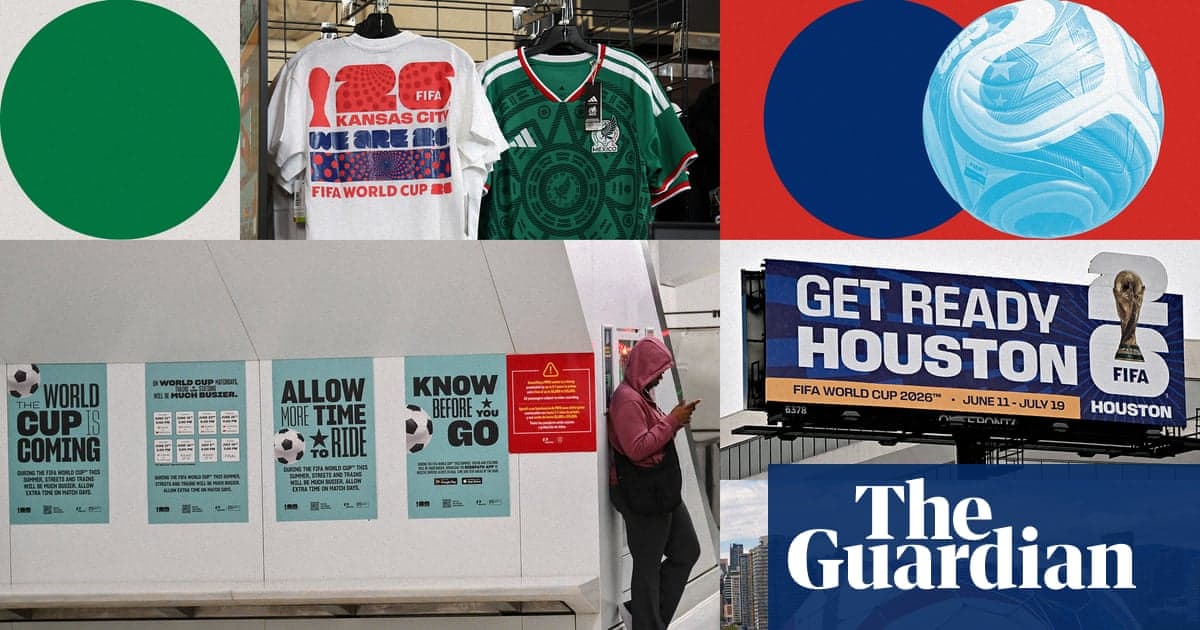
Source: i.guim.co.uk
As the 2026 World Cup nears, host city fans feel a mix of excitement and wariness due to high costs and corporate spectacle, questioning who the tournament is truly for.
As the 2026 FIFA World Cup draws near, a palpable dichotomy of emotion is settling over the 16 host cities across the United States, Mexico, and Canada. It is an atmosphere best described not as simple anticipation, but as a complex mix of excitement and deep-seated wariness. From the price-gouged streets of Atlanta to the politically charged stadium gates of Los Angeles and the comparatively affordable avenues of Philadelphia, the so-called “people’s game” is facing a profound identity crisis. While the world’s eyes will soon turn to North America, many local fans and advocacy groups are questioning who this tournament is truly for, highlighting a fracture between FIFA’s corporate spectacle and the grassroots communities expected to host it.
The Cost of Admission: A Tournament for the Elite
A recurring and bitter theme across host cities is the staggering financial barrier to entry. The Guardian’s new “My World Cup” series captured a raw sentiment in Atlanta, where a lifelong fan voiced a disillusionment that resonates far beyond the Peach State. The fan lamented that the 1994 tournament had a life-changing impact on him as a 14-year-old, but in 2026, it would cost him roughly $2,000 just to attend a single group-stage match with his wife and two children. This economic reality has created a vacuum of apathy, with the source noting that most people in Atlanta are either disenchanted by the “price gouging” or not talking about the event at all, as the news cycle offers “no oxygen for it.” This financial exclusivity directly contradicts the communal spirit that the World Cup is supposed to engender.
Philadelphia: A Relative Bargain in a Broken Market
Not all financial news is uniformly bleak. According to an analysis by Axios Philadelphia, the city may emerge as one of the more affordable hubs for international travelers willing to navigate the soaring costs. However, the broader context remains grim. The Axios report makes it clear that attending the tournament is a luxury that could cost fans from soccer-obsessed nations “several months' wages” or force them into debt. The publication cites a trifecta of financial headwinds: FIFA’s “dynamic pricing” model for tickets, a 35% spike in North American hotel prices compared to 2025 data from Kayak, and rising jet fuel costs linked to geopolitical instability that are driving up airfare. While FIFA introduced a limited number of $60 “supporter entry tier” tickets, the Axios report specifies these accounted for a mere 10% of a participating nation’s allocation, a token gesture that fails to offset the premium costs for knockout-stage matches. This data confirms the Atlanta fan’s fear that the event “feels like an event for the rich now.”
A Storm of Politics and Protest
Beyond the economic headwinds, a significant shadow has been cast over the U.S. host cities by the specter of immigration enforcement. The Guardian reports that more than 120 immigrant rights groups across the 11 U.S. venues are mobilizing to warn the anticipated 10 million visitors of “serious rights violations” under the Trump administration. The fear is not abstract; in Los Angeles, a labor union representing over 2,000 hospitality workers at SoFi Stadium is explicitly threatening to strike if ICE agents do not stay away from the venue, which is expected to draw 70,000 fans per match. This looming labor action suggests that the off-field conflict could directly disrupt stadium operations during matchdays if the dispute escalates.
Protecting the Vulnerable with Whistles and Warnings
The proactive measures extend to direct community defense. In Dallas, The Guardian details how the civil rights group El Movimiento DFW is distributing hundreds of whistle kits. These kits are not just symbolic; they are a practical tool intended to alert communities to the presence of immigration officers and disrupt operations, turning the sonic landscape of celebration into one of potential alarm. This mobilization creates a stark dual reality for the tournament: while the world watches goals scored on the pitch, a parallel, high-stakes battle over civil liberties will be waged at the security perimeter. These groups are directly challenging FIFA and local governments to reconcile the celebratory facade of the tournament with the operational aggression of federal agencies.
AI Perspective and Future Outlook
Synthesizing these data points, the 2026 World Cup is on a trajectory to be remembered not just for the matches in Mexico City or Vancouver, but for an unprecedented collision between spectacle and socioeconomic reality. The data from Axios and The Guardian suggests a fragmented viewer experience: a wealthy minority will navigate dynamic pricing to secure premium seats at Philadelphia’s Lincoln Financial Field or Atlanta’s Mercedes-Benz Stadium, while the local working class, priced out, stays home. The most immediate existential threat, however, rests in Los Angeles. If the 2,000+ hospitality workers at SoFi Stadium make good on their strike threat regarding ICE presence, FIFA may face a logistical nightmare—a venue with 70,000 ticketed fans but no concessions, cleaning, or support staff, effectively turning a flagship venue into a flashpoint for labor and immigration politics.
The long-term damage could be generational. The Atlanta fan’s fear that his children will miss the transformative magic is a specific, personal consequence of FIFA’s greed. The organizers have mistaken monetary revenue for cultural legacy. If the primary memory for North American children in 2026 is not the roar of the crowd but the sound of $2,000 draining from a bank account, or the whistle alarms in Dallas alerting families to danger, the growth of the sport in these markets will stall. The future success of the tournament now hinges on whether FIFA and host city politicians can immediately de-escalate the financial exclusion and the immigration surveillance state, a combination that is currently turning the 2026 “celebration” into a gated community fraught with dread.
Sources & Further Reading
- https://www.telecomasia.net/blog/fifa-world-cup-2026-stadiums-all-16-venues/
- https://www.theguardian.com/us-news/2026/jun/01/ice-fifa-world-cup-immigrant-rights
- https://www.axios.com/local/philadelphia/2026/05/26/world-cup-tickets-cheap-travel-philly
- https://www.theguardian.com/football/2026/jun/02/world-cup-fans-16-host-cities-us-mexico-canada-fifa-ticket-prices