World Cup 2026: Empty Seats in Guadalajara After FIFA Ticket Price Controversy
Source: static.independent.co.uk
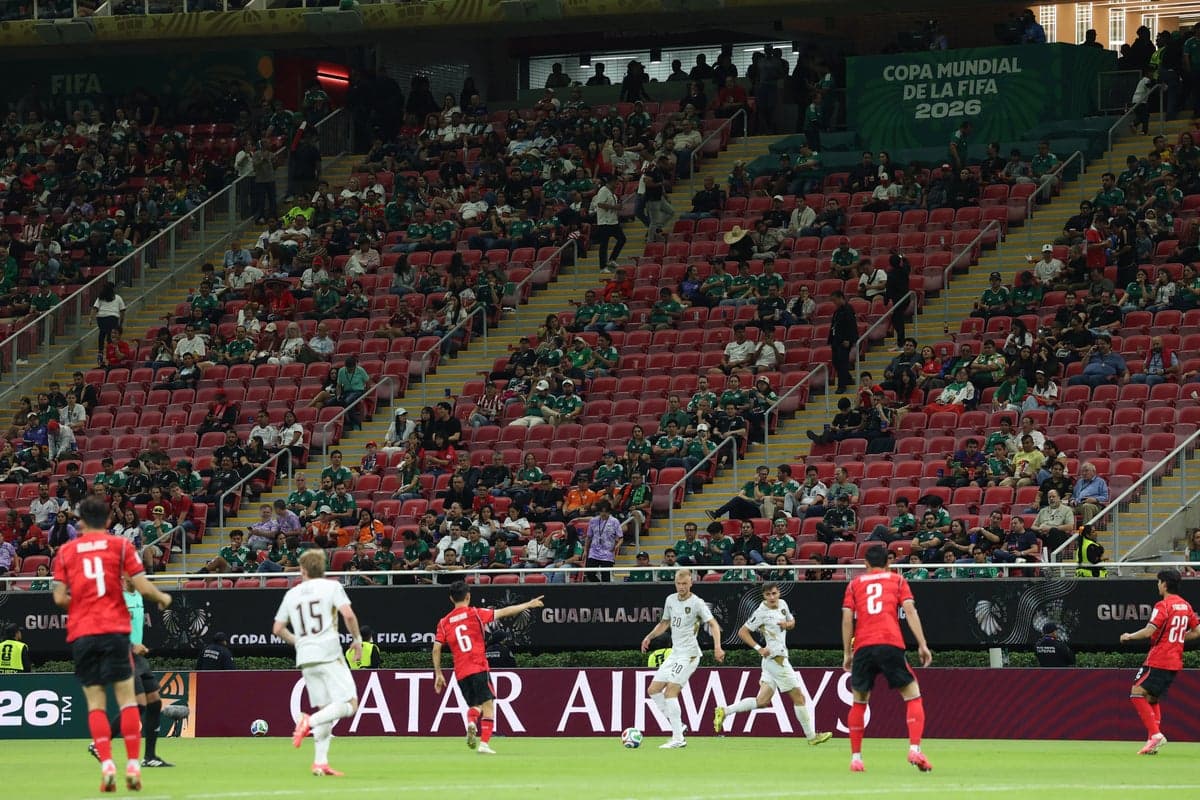
Thousands of empty seats at a World Cup match in Guadalajara highlight controversy over FIFA's dynamic pricing and opaque ticket distribution, raising concerns about fan accessibility.
The 2026 FIFA World Cup, touted as an unprecedented global spectacle, is facing an unexpected opponent just days into the tournament: empty seats. The second match of the group stage, a gripping 2-1 victory for South Korea over the Czech Republic in Guadalajara, was played before a backdrop of thousands of vacant spots in the stands, according to The Independent. This visible lack of attendance is the physical manifestation of a growing controversy surrounding FIFA’s aggressive ticket pricing and opaque distribution strategy, raising serious questions about the tournament's accessibility for genuine fans.
The Ticket Price Controversy
The sight of empty seats at a World Cup match is a damning indictment of FIFA’s commercial strategy. The Independent reports that the controversy was already brewing before a ball was kicked, with FIFA president Gianni Infantino defending the organization’s use of a “dynamic pricing” policy during a pre-tournament press conference. This model, which adjusts prices based on real-time demand, has been criticized for inflating costs beyond the reach of ordinary supporters. The result is a jarring disconnect between the governing body’s rhetoric of a global celebration and the reality of a stadium in Guadalajara that was far from full for a competitive Group A fixture. The empty seats are not just a PR problem; they are a direct consequence of a pricing structure that appears to have alienated the very fans who create the tournament’s legendary atmosphere.
The Financial Fallout of Dynamic Pricing
An analysis by The Athletic, cited by Newsweek, confirmed that prices across key ticket categories rose significantly under the dynamic model. This strategy, while potentially maximizing short-term revenue per seat, has created a scenario where the risk of unsold inventory is high. The empty seats in Guadalajara suggest that for a match between South Korea and the Czech Republic, the algorithmically determined price point overshot what the market was willing to pay. This miscalculation transforms a sporting cathedral into a half-empty venue, undermining the spectacle for those who did pay and for the global television audience.
The Mystery of the Disappearing Tickets
Compounding the pricing issue is a bizarre pattern of ticket inventory manipulation on FIFA’s official portal. Newsweek’s reporting, using data from TicketData.com, reveals a chaotic sequence of events. Toward the end of May, over 100,000 tickets were available. Then, in a sudden and unexplained move, thousands of tickets were pulled, with availability plummeting to under 30,000. Keith Pagello, founder of TicketData.com, told Newsweek there was “no world” in which this was due to a sudden rush of fan purchases. The implication is clear: FIFA was actively removing supply, a move that fans online speculated was an attempt to create artificial scarcity or to distribute tickets through other, less transparent channels.
A Sudden Reversal and Lingering Questions
In a further twist, Newsweek reported on June 4 that FIFA had abruptly reversed course, releasing thousands more tickets. Availability on the official portal jumped from about 20,500 to roughly 37,000 seats. This erratic management of supply—pulling tens of thousands of tickets only to re-list them days later—has fueled accusations that FIFA is manipulating the market. While resale platforms like StubHub and SeatGeek denied any collusion with FIFA, StubHub confirmed to Newsweek that blocks of seats had indeed been dropped on resale platforms. This pattern of disappearing and reappearing tickets, combined with the empty seats in Guadalajara, paints a picture of a deeply flawed and non-transparent ticketing process that prioritizes financial engineering over fan access.
The Bigger Picture
The empty seats at the South Korea versus Czech Republic match are a symptom of a systemic failure in FIFA’s approach to the 2026 World Cup. The organization’s dual strategy of dynamic pricing and supply manipulation has created a perfect storm. By setting prices too high, FIFA dampened genuine fan demand. Then, by mysteriously pulling inventory, it further distorted the market, likely hoping to drive urgency or quietly offload tickets to corporate sponsors, as some fans have speculated. The result is a tournament that, in its opening days, is failing to fill its venues. This damages the World Cup’s brand, disappoints players who deserve to perform before packed crowds, and betrays the trust of millions of fans who found themselves priced out or locked out of a fair purchasing process. The on-field drama of Oh Hyeon-gyu’s winning performance is being overshadowed by the empty seats in the stands, a stark visual reminder that this World Cup’s biggest controversy is not taking place on the pitch, but in the ticket office.
Sources & Further Reading
- https://sports.yahoo.com/articles/fifa-world-cup-match-sees-041146066.html
- https://www.newsweek.com/fifa-drops-thousands-more-world-cup-tickets-scrutiny-12030889
- https://www.newsweek.com/unsold-2026-fifa-world-cup-tickets-suddenly-disappear-website-12015670
- https://www.independent.co.uk/sport/football/fifa-world-cup-south-korea-czech-republic-empty-seats-ticket-prices-b2994425.html