Unsold Scotland World Cup Tickets Hit Resale Sites as FIFA Faces Scrutiny
Source: ichef.bbci.co.uk
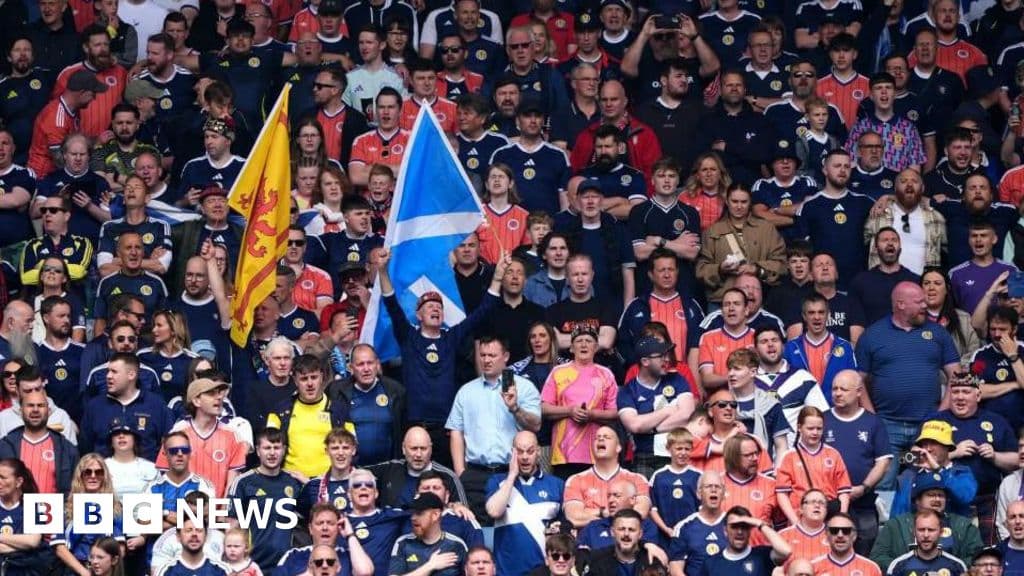
Just over a week before Scotland's 2026 World Cup opener against Haiti, dozens of tickets are being sold on resale sites like StubHub at a fraction of face value, sparking accusations of mismanagement and fan anger.
Just over a week before Scotland kicks off its 2026 World Cup campaign against Haiti in Boston, the narrative has shifted from on-field hopes to off-field chaos. Dozens of tickets for the June 12 opener are being offloaded on third-party resale sites like StubHub and SeatGeek, some at a fraction of their face value, exposing a deep disconnect between FIFA’s pricing strategy and actual fan demand. According to BBC Sport, tickets originally sold for between £53 and £380 are now listed for less than £200, while whole sections for “less desirable” matches have appeared at less than a third of the original cost. The situation has sparked accusations of mismanagement and raised questions about the true appetite for a tournament already dogged by logistical and political hurdles.
The Ticket Glut and Fan Reaction
The sight of unsold Scotland tickets flooding resale platforms has infuriated supporters who navigated FIFA’s complex and expensive ticketing process. Gavin Noon, who runs the social media site Scotland co-efficient, told BBC Scotland the handling of tickets was “absolutely shambolic.” He noted that FIFA had long messaged that the tournament would sell out and that fans needed to pay premium prices—up to £1,200 for a full match package—to secure seats. Now, for less attractive fixtures, “whole sections” are available on secondary sites at deep discounts. The Scotland vs Haiti match is particularly vulnerable: Haiti’s fans have been banned from entering the United States, eliminating a key source of demand. This has left a glut of inventory that neither the official FIFA resale platform nor the primary market could absorb.
The Times newspaper reported that FIFA is actively working with resale sites to move unsold tickets, a claim that contradicts the governing body’s previous warnings to fans about the dangers of unauthorized platforms. However, both SeatGeek and StubHub have denied any partnership or distribution agreement with FIFA. A StubHub spokesperson told Newsweek that blocks of seats were reaching multiple resale platforms through third parties, framing this as a natural benefit of the resale market. The conflicting narratives leave fans confused and underscore a lack of transparency in how tickets are being distributed.
FIFA’s Mysterious Inventory Management
Beyond the resale controversy, FIFA’s own ticket portal has exhibited erratic behavior. Data from TicketData.com, cited by Newsweek, shows that around 74,000 tickets were available directly through FIFA until Saturday, May 30. That number then plummeted to 44,000 and later to under 30,000, with no official explanation. TicketData.com attributed the drop to a “sudden inventory removal,” prompting online speculation that tickets were being given away to sponsors or that FIFA was attempting to create artificial scarcity to boost demand.
Days later, the inventory swung again. On June 3, availability jumped from about 20,500 seats to roughly 37,000 before settling around 33,000. This still represents a massive reduction from the over 100,000 tickets that were available in late May. FIFA has not commented on these fluctuations, but the pattern suggests active management of supply—possibly to stabilize resale prices, which had been in freefall. Newsweek noted that resale prices had begun to recover after weeks of declines, and host city businesses had warned of subdued interest. The opacity surrounding these moves has only fueled criticism that FIFA is prioritizing financial engineering over fan access.
Broader Implications for World Cup 2026
The Scotland ticket saga is not an isolated incident. Newsweek previously reported that ticket prices for U.S. men’s national team games had also plunged, indicating softer demand across the tournament. The 2026 World Cup, the first to feature 48 teams and spread across three host nations, was expected to be a commercial juggernaut. Instead, it faces the prospect of empty seats at high-profile venues. For a Scotland side returning to the World Cup after decades, the lack of a sell-out crowd in Boston would be a bitter disappointment and a visual indictment of FIFA’s pricing model.
The financial stakes are enormous. FIFA relies heavily on ticket and hospitality revenue to fund its operations and member associations. Unsold inventory not only hits the bottom line but also damages the tournament’s global image. The decision to ban Haitian fans—while a U.S. government policy—further complicates matters, as it removes a natural fanbase for a match that already struggled to generate buzz. The situation raises questions about how FIFA and host nations will handle future events where geopolitical issues affect attendance.
The Future of World Cup Ticketing: A Reckoning for FIFA
The 2026 World Cup ticketing fiasco, exemplified by the Scotland vs Haiti match, may force a long-overdue reckoning for FIFA. The organization’s strategy of high initial prices, combined with a confusing multi-phase sales process, appears to have backfired. Fans like Gavin Noon feel misled, and the sudden appearance and disappearance of thousands of tickets on the official portal erodes trust. If FIFA is indeed routing unsold tickets through resale sites—as The Times suggests and the platforms deny—it would represent a cynical attempt to manage financial risk at the expense of transparency.
Looking ahead, FIFA must confront the reality that not every World Cup match is a guaranteed sellout, especially in an expanded format. The Scotland-Haiti fixture, with its unique demand challenges, could become a case study in how not to manage ticketing. For the tournament to succeed, FIFA will need to embrace more flexible pricing, clearer communication, and a genuine commitment to filling stadiums with passionate fans rather than maximizing short-term revenue. Otherwise, the lasting image of World Cup 2026 may not be of goals and glory, but of empty seats and disillusioned supporters.
Sources & Further Reading
- https://www.newsweek.com/reseller-platform-denies-fifa-collusion-as-world-cup-tickets-remain-unsold-12028175
- https://www.newsweek.com/unsold-2026-fifa-world-cup-tickets-suddenly-disappear-website-12015670
- https://www.newsweek.com/fifa-drops-thousands-more-world-cup-tickets-scrutiny-12030889
- https://www.bbc.com/news/articles/c5y71n7292xo