NYC Mayor Mamdani Scores 1,000 $50 World Cup Tickets in FIFA Deal
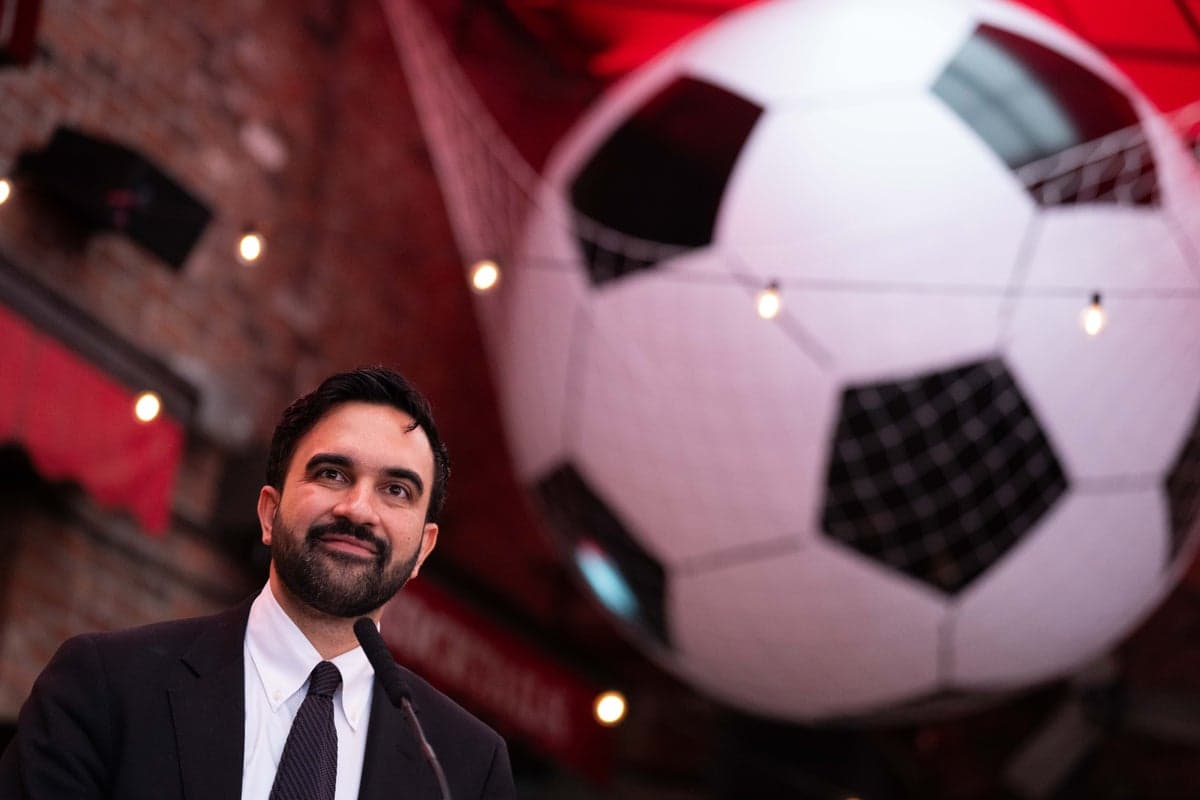
Source: static.independent.co.uk
Mayor Zohran Mamdani announces a deal with FIFA President Infantino to offer 1,000 heavily discounted World Cup tickets to New Yorkers via lottery, challenging high costs.
The 2026 FIFA World Cup is set to be the most expensive in history for fans, with ticket prices soaring and travel costs mounting. Yet in a stunning move that could reshape the accessibility of the tournament, New York City Mayor Zohran Mamdani has secured an extraordinary deal with FIFA President Gianni Infantino: 1,000 World Cup tickets for city residents at just $50 each. Announced at a press conference that featured USMNT stars Tim Weah and Mark McKenzie, the initiative is a direct challenge to the commercialization of the sport and a lifeline for local supporters who feared being priced out of the global spectacle.
The Deal: 1,000 Tickets at $50
According to The Independent, Mayor Mamdani personally negotiated with Infantino to obtain the heavily discounted tickets for New Yorkers. The $50 price point is a fraction of the expected face value for World Cup matches, which typically range from hundreds to thousands of dollars. The tickets will be distributed via a lottery system set to open next week, giving all city residents an equal chance to purchase them. This approach ensures that the opportunity is not limited to the wealthy or well-connected but is instead a democratic allocation of a scarce resource.
The agreement is particularly significant because MetLife Stadium in East Rutherford, New Jersey, will host multiple matches, including a semifinal. The venue’s proximity to New York City makes it a natural hub for local fans, but the high cost of tickets and transportation had raised concerns that the tournament would cater primarily to corporate sponsors and international tourists. By securing these affordable tickets, Mamdani has directly addressed those fears, framing the World Cup as an event for the people, not just the elite.
The Lottery System and Transportation
The lottery mechanism is straightforward: any New York City resident can enter for a chance to buy up to two tickets at the $50 rate. Winners will be selected randomly, and the tickets will be for specific matches at MetLife Stadium, though the exact fixtures have not been disclosed. The Independent reports that each ticket purchase also includes free round-trip bus transportation from designated points in the city to the stadium. This addition is crucial, as it eliminates the often-prohibitive cost of transit and parking, which had been a major point of contention in the lead-up to the tournament. Earlier reports highlighted that NJ Transit had already lowered its World Cup prices, but the free bus service goes a step further in removing financial barriers.
The inclusion of transportation underscores a holistic approach to fan access. It acknowledges that affordability extends beyond the ticket itself and that the true cost of attending a match includes travel, food, and other expenses. By bundling the bus ride, the mayor’s office is effectively guaranteeing that the $50 ticket is the total out-of-pocket cost for the lucky winners, making it one of the most fan-friendly deals in World Cup history.
Political and Social Implications
The initiative is not just a sports story; it is a political statement. Mayor Mamdani, a progressive figure who has previously clashed with establishment figures, is using the World Cup to demonstrate a commitment to equity and public access. The deal with Infantino, a figure often criticized for FIFA’s commercialization, is a surprising alliance that suggests even the sport’s governing body is willing to make concessions when pressured by a major host city. The Independent notes that the agreement followed “negotiations” between the mayor and FIFA, implying that Mamdani leveraged New York’s importance as a host market to extract this concession.
This move could have ripple effects across the 2026 tournament, which is co-hosted by the United States, Canada, and Mexico. Other host cities may now face pressure to offer similar affordable ticket programs. If New York can secure 1,000 $50 tickets, why can’t Los Angeles, Dallas, or Toronto? The precedent set here could become a benchmark for fan advocacy, forcing FIFA and local organizers to prioritize community access over maximum revenue.
USMNT Stars Endorse the Initiative
The announcement was not just a bureaucratic affair. A Reddit post on r/ussoccer highlighted that USMNT players Tim Weah and Mark McKenzie were present at the event, with Weah described as “for the people.” Their appearance lent star power and credibility to the initiative, signaling that the players themselves support making the World Cup accessible to local fans. The post also jokingly warned, “Don’t let Poch see this,” referring to USMNT head coach Mauricio Pochettino, perhaps implying that the coach might not want his players distracted by off-field events. Nevertheless, the presence of Weah and McKenzie underscores the connection between the national team and the community, reinforcing the idea that the World Cup should be a celebration for all Americans, not just those with deep pockets.
AI Perspective: A Template for Future Tournaments
Looking ahead, this initiative could fundamentally alter how host cities approach major sporting events. The 2026 World Cup is already under scrutiny for its environmental impact, infrastructure costs, and ticket pricing. By demonstrating that affordable access is possible, New York City has thrown down a gauntlet. If FIFA can allocate 1,000 tickets at $50 for one city, it can do so for others. The key question is whether this was a one-off political victory or the start of a broader trend.
For the USMNT, the benefits are clear. A stadium filled with passionate local fans—rather than corporate guests—could provide a genuine home-field advantage. The presence of players like Weah and McKenzie at the announcement suggests that the team recognizes the importance of grassroots support. If other host cities follow suit, the entire tournament could see a more vibrant, authentic atmosphere, reminiscent of World Cups past where local communities were integral to the spectacle.
However, challenges remain. The lottery system, while fair, will leave many disappointed. One thousand tickets is a drop in the bucket compared to the millions of fans who want to attend. The initiative also does not address the broader issue of ticket scalping and the secondary market, where prices could still skyrocket. But as a symbolic and practical step, it is a powerful one. It shows that with political will and strategic negotiation, the beautiful game can remain accessible to the people who love it most.
Sources & Further Reading
- https://www.instagram.com/p/DYmPlPmoH1Y/
- https://sports.yahoo.com/articles/mayor-mamdani-secures-50-world-173316952.html
- https://www.reddit.com/r/ussoccer/comments/1tjwe5p/nyc_mayor_zohran_mamdani_procures_1000_50_world/
- https://www.independent.co.uk/sport/football/world-cup/world-cup-tickets-lottery-new-york-mamdani-b2981394.html