Meet the 4 World Cup 2026 Debutants: Cape Verde, Curaçao, Jordan & Uzbekistan
Source: s.hdnux.com
Cape Verde, Curaçao, Jordan, and Uzbekistan will debut at the 2026 FIFA World Cup. The expanded 48-team format opens doors for these nations.
The 2026 FIFA World Cup is set to be a tournament of firsts: the first hosted by three nations, the first with 48 teams, and the first to feature a Round of 32. But for four countries, the summer of 2026 marks an even more profound milestone. Cape Verde, Curaçao, Jordan, and Uzbekistan will each make their long-awaited debut on football’s grandest stage, turning decades of near-misses and quiet ambition into reality
As the Times Union
reports, the expanded format has “handed several underdog nations a shot at history they never had before,” and these four are determined to seize it.
Cape Verde: The Islanders’ Long-Awaited Moment
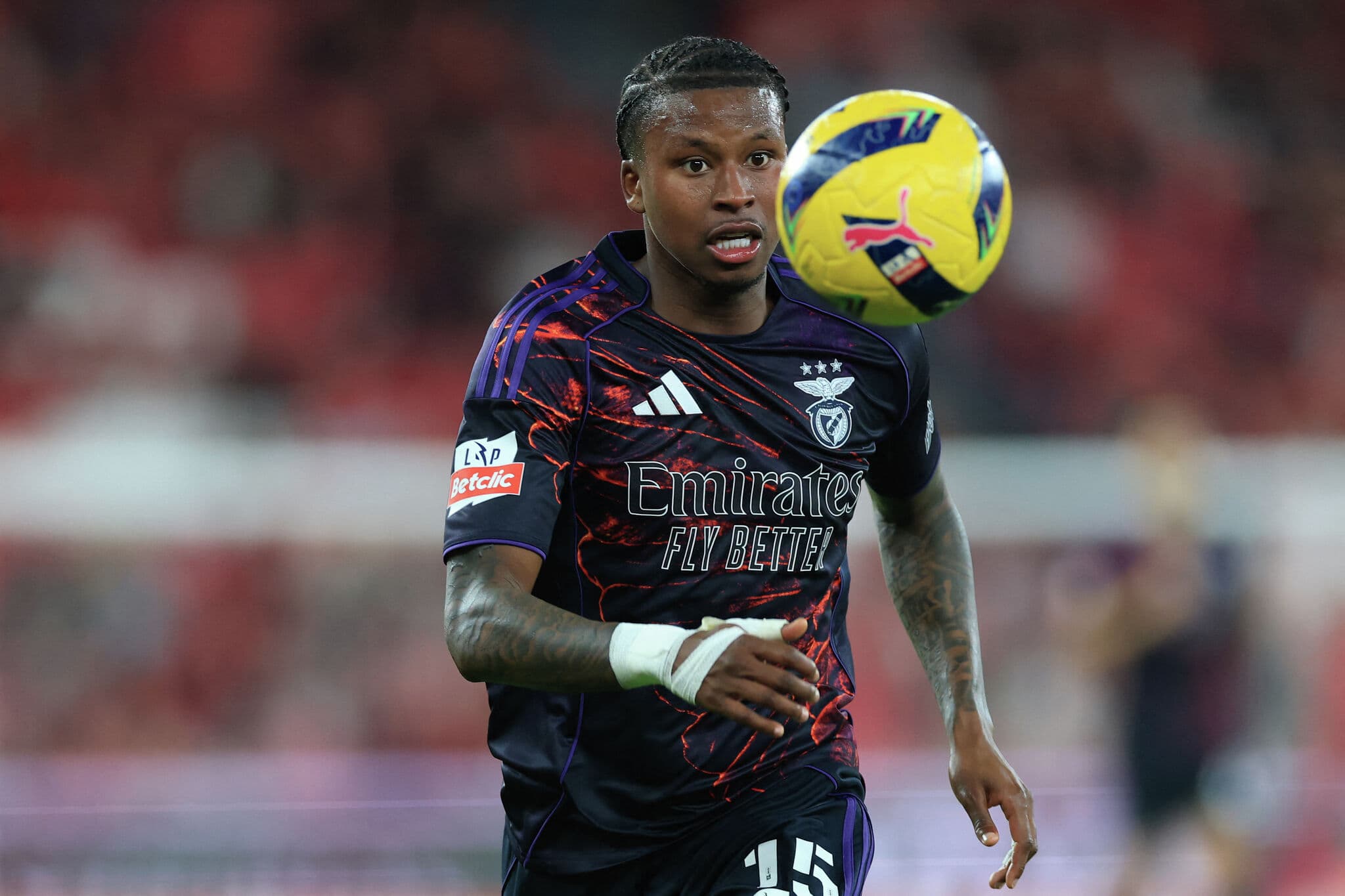
For Cape Verde, a volcanic archipelago off the West African coast, World Cup qualification is the culmination of a steady rise in African football. The nation had already proven its mettle by reaching the Africa Cup of Nations quarterfinals in 2013 and again in 2023, but the World Cup had remained elusive. That changed during a tense qualifying campaign that leaned heavily on the experience of captain Ryan Mendes. CNN describes the attacking winger as the talisman who “helped Cape Verde qualify for their first-ever FIFA World Cup,” and his leadership will be vital in a tournament where the Blue Sharks are determined to prove, as CNN’s headline puts it, that “nothing is impossible.”
Mendes, who plies his trade in the UAE, brings pace and creativity to a side that has often punched above its weight. The team’s defensive organization and counter-attacking style, honed in African qualifiers, could trouble more fancied opponents. While the group stage draw will ultimately shape their fate, Cape Verde’s presence alone is a testament to the power of the expanded format
As the Times Union
notes, the move from 32 to 48 teams has opened doors that were previously bolted shut, and Cape Verde is walking through with a quiet confidence.
Curaçao: The Caribbean Dreamers
Curaçao’s journey to the World Cup is a story of resilience and regional pride. The small Caribbean island, a constituent country of the Kingdom of the Netherlands, has long been a breeding ground for talented players, many of whom have opted to represent the Dutch national team. But in recent years, a concerted effort to build a competitive Curaçaoan side has paid off. Yahoo Sports highlights the team as one of the four debutantes to watch, and the Times Union singles out Livano Comenencia as a key figure. A photo caption shows the midfielder “chasing the ball during the CONCACAF Men’s National Team Soccer Match between Curaçao and El Salvador,” underscoring the tenacity that defines this team.
Comenencia, a dynamic box-to-box presence, embodies the spirit of a squad that relies on collective effort rather than individual stardom. Curaçao’s qualification through the CONCACAF region was no fluke; they navigated a path that included seasoned campaigners, proving that their technical ability and tactical discipline can match higher-ranked opponents. The World Cup will be a steep learning curve, but the island’s football federation has already achieved its primary goal: putting Curaçao on the global map.
Jordan and Uzbekistan: Asia’s New Challengers
Asia’s qualifying process also produced two debutants, each with its own compelling narrative. Jordan’s qualification was a breakthrough for a nation that had often been on the fringes of Asian football’s elite. While the sources do not spotlight a single Jordanian star, their team ethic and defensive solidity carried them through a grueling campaign. They will arrive in North America with little external pressure but a fierce internal belief.
Uzbekistan, meanwhile, boasts a player who could become one of the tournament’s breakout stories. Abbosbek Fayzullaev, a creative midfielder, was instrumental in the White Wolves’ qualification. The Times Union features a striking image of Fayzullaev celebrating a goal during a crucial qualifier against Qatar in November 2024, a moment that encapsulated Uzbekistan’s attacking verve. Yahoo Sports also names him as the player to watch from the Uzbek squad, noting his technical skill and eye for goal. Having already impressed at the Asian Cup, Fayzullaev will be eager to showcase his talent on the biggest stage. Uzbekistan’s disciplined system, built on a strong domestic league, could make them a difficult opponent for any team expecting an easy match.
The AI Perspective: What to Expect from the Newcomers
The 2026 World Cup’s expanded format, as Fox Sports details, will feature 104 matches across 16 host cities in the United States, Mexico, and Canada, running from June 11 to July 19. For the debutants, the sheer scale of the event will be both a challenge and an opportunity. History suggests that first-time participants often struggle, but the Round of 32 offers an extra lifeline — a single knockout match where anything can happen.
Cape Verde’s experience in high-stakes AFCON matches, combined with Mendes’ leadership, gives them the best chance of advancing beyond the group stage. Their ability to frustrate opponents and strike on the break could mirror the success of past African debutants. Curaçao, with Comenencia driving the midfield, will rely on their CONCACAF-honed resilience; they may not dominate possession, but their compact shape and quick transitions could unsettle more established sides. Uzbekistan’s Fayzullaev is the type of game-changer who can decide a tight contest, and if the White Wolves can keep matches close, his individual brilliance might be the difference. Jordan, the least heralded of the four, will likely adopt a pragmatic approach, aiming to be hard to beat and hoping to snatch a historic point or three.
Crucially, these teams are not merely making up the numbers. The Times Union’s broader coverage of the tournament points to a “big experiment” that may have made the World Cup more unpredictable. The presence of these four nations adds fresh narratives and emotional weight to a competition often dominated by the same elite. While a deep run remains unlikely, the 2026 World Cup will be remembered as the moment Cape Verde, Curaçao, Jordan, and Uzbekistan stepped out of the shadows and into the global spotlight.
Sources & Further Reading
- https://sports.yahoo.com/soccer/article/25-days-to-the-world-cup-1-player-to-watch-from-each-of-the-debutantes-110000256.html
- https://www.cnn.com/sport/cape-verde-world-cup-debutants-nothing-is-impossible-spc
- https://amp.foxsports.com/stories/soccer/2026-fifa-world-cup-how-to-watch-usmnt-schedule-48-teams
- https://www.timesunion.com/sports/article/2026-fifa-world-cup-debuts-first-time-nations-22246909.php