Jordan Henderson's England World Cup Call-Up: Leadership Over Youth
Source: static01.nyt.com
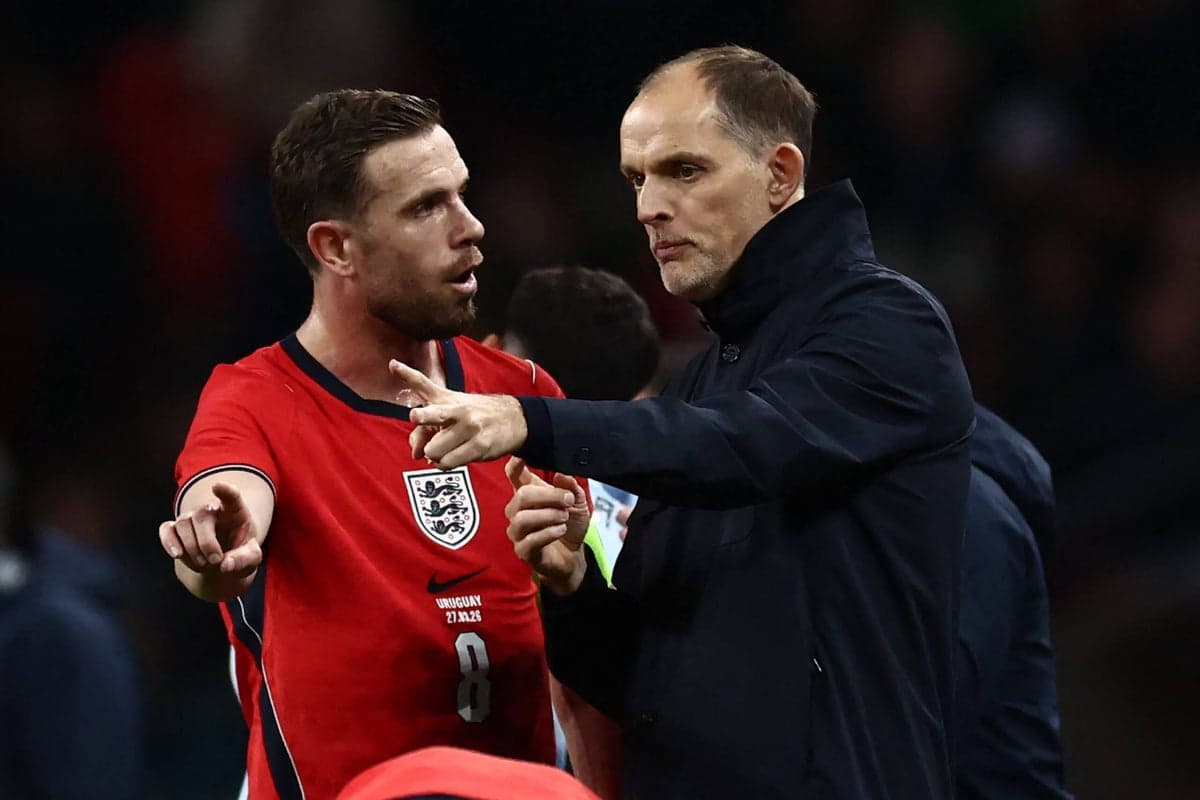
England manager Thomas Tuchel's surprise selection of 35-year-old Jordan Henderson for the 2026 World Cup squad over younger talents like Cole Palmer and Phil Foden has raised questions about prioritizing leadership over form.
The Shock Inclusion
When England’s final 26-man squad for the 2026 World Cup was announced, the name that dominated headlines was not a rising star but a 35-year-old midfielder whose best years appeared behind him. Jordan Henderson’s selection by manager Thomas Tuchel sent ripples through the football world, not least because it came at the direct expense of a generation of creative talents. Cole Palmer, Phil Foden, Adam Wharton, and Morgan Gibbs-White — all players who lit up the Premier League this season — were left at home. According to The Athletic’s Thom Harris, the decision “says a lot about Thomas Tuchel’s priorities” and immediately framed the squad as one built on intangible qualities rather than pure form.
The Midfield Logjam
England’s central midfield options are the envy of most nations
Declan Rice and Jude Bellingham
were absolute certainties, their places never in doubt. The explosive form of Elliot Anderson at Newcastle United made him impossible to ignore, while the creative verve of Morgan Rogers, Eberechi Eze, and Kobbie Mainoo offered Tuchel a palette of game-changing alternatives. Yet Henderson, who has completed just four 90-minute matches for Brentford since the turn of the year, somehow squeezed into the final cut. His on-pitch contributions have been limited by both injury and rotation, and he falls into none of the categories that define the other midfielders — he is not a dynamic ball-carrier, a prolific chance creator, or a defensive shield in the mould of Rice. The Athletic notes that Henderson “did not grab the attention or steal the show,” making his inclusion all the more puzzling to those who value statistical output over leadership.
The Intangible Value
To understand Tuchel’s thinking, one must look beyond the data. The England manager has come to lean on Henderson for qualities that do not appear on a scoresheet: leadership, experience, and an unwavering professionalism that sets standards within the dressing room. The Athletic describes these as “intangibles” that “help to set standards and build the right kind of dressing-room culture; one that keeps younger heads focussed and motivated as the stakes begin to rise.” In a tournament environment, where pressure can suffocate even the most gifted players, a vocal, respected figure like Henderson can act as a stabilising force. Tuchel, who has managed elite clubs with strong personalities, clearly values a player who can reinforce his tactical messages on and off the pitch, mentor emerging talents, and maintain morale during the long weeks away from home.
Tuchel’s Gamble
Yet the decision is not without significant risk. Henderson’s age and recent injury record raise legitimate questions about his ability to influence matches at the highest level. If England progress to the latter stages, the physical toll of a condensed tournament could expose his declining mobility. Moreover, the omission of Palmer — a player capable of producing moments of individual brilliance — and the creative passing of Wharton or Gibbs-White may leave England short of ingenuity against deep-lying defences. The message sent to the next generation is also delicate: that even exceptional club form can be overruled by a manager’s preference for trusted lieutenants. While every successful squad needs a balance of youth and experience, the cost of carrying a player who may only feature in a handful of minutes could be a lack of alternative options when a game needs unlocking.
AI Perspective: What It Means for England’s Campaign
Henderson’s role in the United States, Canada, and Mexico will almost certainly be that of a squad player rather than a starter. Tuchel is likely to deploy him as a late substitute to protect a lead, using his game management and communication to see out tense finishes. In training, his influence could be invaluable in helping the likes of Mainoo and Anderson adapt to the unique pressures of a World Cup. However, the real test will come if England face an opponent that presses relentlessly; Henderson’s lack of pace on the turn could be exploited, and Tuchel may find himself wishing he had a more dynamic option on the bench. The inclusion of Henderson over a game-changer like Palmer means England’s attacking depth is thinner, placing even greater responsibility on Bellingham and Rice to stay fit and in form. Ultimately, the decision underscores Tuchel’s philosophy: that a resilient, unified squad culture can be the difference between a quarter-final exit and lifting the trophy. Whether that bet pays off will define how this England era is remembered.
Sources & Further Reading
- https://www.cbssports.com/soccer/news/fifa-world-cup-rosters-squads-brazil-england-usmnt/
- https://www.sportingnews.com/us/soccer/news/england-world-cup-squad-2026-roster-players/d5a5c9e5f893ba753ba95b07
- https://www.telecomasia.net/blog/thomas-tuchel-names-england-squad-for-2026-fifa-world-cup-as-ivan-toney-earns-surprise-recall/
- https://www.nytimes.com/athletic/7299168/2026/05/22/jordan-henderson-england-thomas-tuchel-world-cup/