From Death’s Door to the World Cup: Craig Gordon’s Miracle Comeback
Source: ichef.bbci.co.uk
Scottish goalkeeper Craig Gordon, 43, returns from a life-threatening neck injury for the 2026 World Cup, joining aging stars like Ronaldo and Messi. Extreme heat in host cities adds danger for these veteran players, raising questions about safety and performance.
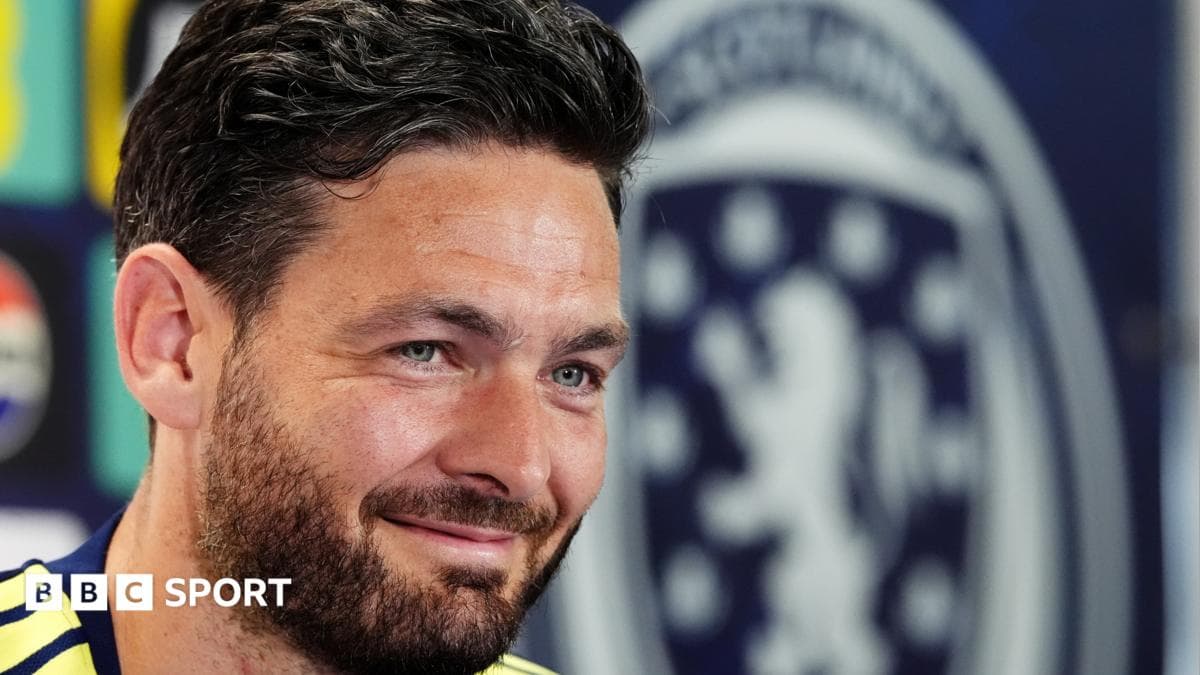
In March 2026, Scottish goalkeeper Craig Gordon sat across from a spine specialist, Usamah Jannoun, who laid out the stark risks of the treatment needed to repair his broken neck. “You could get paralysis, you could die,” Jannoun warned, as seen in the BBC Scotland documentary Icons of Football. Against all odds, Gordon is now in Charlotte, North Carolina, preparing for the 2026 World Cup, where he will be the second-oldest outfield player in tournament history if he steps onto the pitch. His journey is the most extreme example of a broader trend at this tournament: a remarkable number of aging superstars, from Cristiano Ronaldo to Lionel Messi, are defying time but facing questions about their physical limits, while environmental challenges like extreme heat add another layer of peril to their final dances.
Craig Gordon’s Harrowing Journey
Gordon’s career has been a litany of comebacks
According to the BBC
documentary, he has missed an estimated 1,975 days of football—around 200 games—across a series of catastrophic injuries. Ankle problems, broken arms, a broken leg, knee surgeries, and severe neck and shoulder damage have punctuated his 25-year career. In 2012, patellar tendonitis left him unable to walk down the street, and after three surgeries and consultations with psychologists—because his club Sunderland suspected the pain was psychosomatic—a surgeon advised him to retire. Gordon refused. He spent two years without playing a single match, only to resurrect his career at Celtic and later Hearts. The neck injury in late 2025, however, brought the most existential threat. The BBC footage shows a visibly shaken Gordon agreeing to a procedure that risked paralysis or death. “It’s just another fight,” he says. Now 43, Gordon is Scotland’s first-choice goalkeeper, a walking miracle who embodies resilience. His selection, confirmed by FIFA’s official squad list, places him among the oldest players ever to grace a World Cup, trailing only Egypt’s Essam El-Hadary (45 in 2018). But the very notion of a 43-year-old keeping goal in the searing heat of North America raises urgent concerns about safety and performance.
A Tournament of Veterans
Gordon is far from alone. The Guardian’s Jonathan Wilson notes that this World Cup features an unprecedented collection of veterans, headlined by Cristiano Ronaldo (41) and Lionel Messi (39). Ronaldo, reportedly “barely able to move” and stripped of his explosive pace, is carried by Portugal almost as a talisman rather a effective striker, a situation Wilson describes as “more a curse than a blessing.” Messi, despite a recent “muscular overload” that forced him out of an Inter Miami game, remains the fulcrum of Argentina’s hopes. Luka Modric (40), Edin Dzeko (40), Manuel Neuer (40), Guillermo Ochoa (40), and Cape Verde’s Vozinha (40) are all included in FIFA’s confirmed squads. Japan have a 39-year-old defender, while other nations lean on experienced goalkeepers and captains. Such reliance on aging stars is not new—Dino Zoff won the World Cup at 40—but the sheer concentration in 2026 is striking. For many, this is a final encore; for some, it risks tarnishing legacies if their bodies fail on the biggest stage. As The Guardian implies, Portugal’s obsession with Ronaldo may stifle emerging talent, while Argentina must hope Messi’s hamstrings hold. Gordon’s presence, meanwhile, is a heartwarming story but also a grim reminder of the physical toll required.
The Environmental Challenge
These geriatric feats will play out under skies that could prove as hostile as any opponent. VPM, an NPR affiliate, reports that multiple World Cup matches are at high risk of dangerously hot weather, with kickoff temperatures possibly exceeding 35°C (95°F) in host cities like Dallas, Miami, and Monterrey. FIFA has already faced pressure to adjust schedules, but existing timetables show afternoon slots that expose players to peak heat. For older athletes, the combination of age-related decline in thermoregulation and the intense demands of a World Cup match amplify the danger. Goalkeepers like Gordon may face less running but are relentlessly exposed to the sun and must maintain razor-sharp focus. VPM’s analysis warns that the heat could lead to more cooling breaks, extended hydration protocols, and even venue switches—measures that could disrupt rhythm and favor fresher teams. In this context, the wisdom of starting a 43-year-old shot-stopper is not just sentimental but safety-critical.
The Bigger Picture
The 2026 World Cup is thus poised between celebration and caution. Gordon’s miraculous comeback—from death’s door to the goalmouth—illustrates the indomitable human spirit, but it also exposes the thin line between courage and catastrophe. Portugal’s overreliance on a declining Ronaldo could derail a talented generation, while Argentina’s Messi dependency leaves them vulnerable should his calf give way. The extreme heat, highlighted by VPM, adds an uncontrollable variable that could disproportionately punish the tournament’s elder statesmen. National teams must consider not only the inspirational value of these icons but also the physical risks and tactical compromises they entail. For Scotland, Gordon’s selection is a triumph of will; yet every dive at his near post will be a gamble that the spine doctor’s dire warning never comes true. This tournament will not just crown a champion—it will test the very limits of aging in elite sport, with the heat as an unforgiving arbiter.
Sources & Further Reading
- https://www.theguardian.com/football/2026/may/30/cristiano-ronaldo-world-cup-lionel-messi-luka-modric
- https://www.fifa.com/en/tournaments/mens/worldcup/canadamexicousa2026/articles/fifa-world-cup-2026-squads-confirmed
- https://www.vpm.org/npr-news/2026-06-04/more-than-1-in-3-world-cup-matches-face-dangerous-heat-risk-npr-analysis-finds
- https://www.bbc.com/sport/football/articles/c5yz5nnx2jro