FIFA Free Ticket Glitch: Fans Must Pay as 2026 World Cup Probe Grows
Source: ichef.bbci.co.uk
FIFA demands payment from fans who got free World Cup tickets due to a glitch, as investigations into pricing and sales practices escalate ahead of the 2026 tournament.
The 2026 FIFA World Cup is just days away, but instead of a smooth build-up to the opening match on June 11, football’s governing body is mired in a growing ticketing scandal. A computer glitch that briefly allowed around 60 fans to secure free tickets has now turned into a demand for payment, while separate investigations into soaring prices and misleading sales practices threaten to overshadow the tournament. As FIFA scrambles to contain the fallout, the incident has become emblematic of a ticketing system under intense scrutiny from fans and government officials alike.
The Free Ticket Fiasco
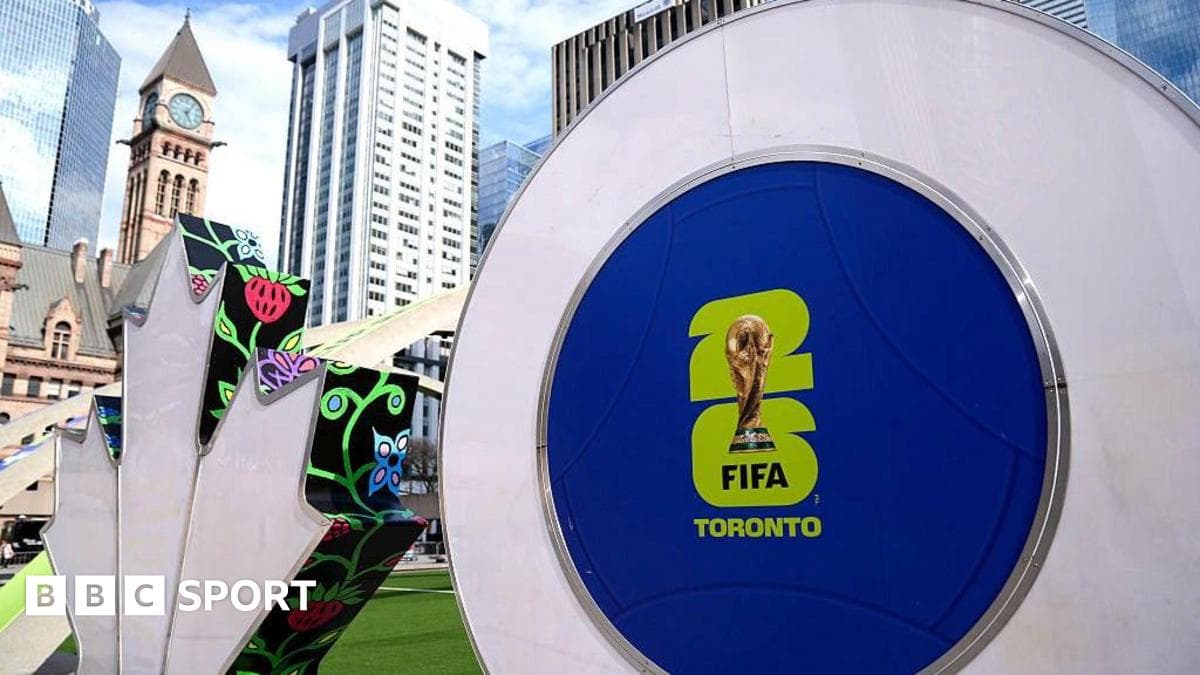
According to BBC Sport, FIFA has admitted that an error on its official website allowed approximately 60 supporters to complete purchases for World Cup matches at no cost. The glitch, which occurred during the checkout process, affected group stage games scheduled in Toronto, one of the 16 host cities across Canada, the United States, and Mexico. Rather than honoring the zero-dollar transactions, FIFA swiftly cancelled the tickets and informed the lucky recipients that they must pay the full price within seven days or lose their seats entirely.
A letter shared by the Ticket Talk Network social media account confirmed the ultimatum, leaving fans with a stark choice: pay up by June 10—just one day before the tournament kicks off—or forfeit their chance to attend. FIFA expressed regret for “any inconvenience caused,” but the move has been met with frustration. Yahoo Sports’ FC Breakfast column described the episode as “another blunder for a ticketing system that has already faced plenty of criticism,” highlighting how even a momentary technical lapse can erode trust when the governing body’s pricing strategies are already under a microscope.
A Pattern of Ticketing Problems
Variable Pricing Under Fire
The free ticket error is only the latest in a series of controversies surrounding FIFA’s 2026 ticket sales. BBC Sport notes that despite earlier promises of a sold-out event, seats remain available less than a week before kick-off. Central to the discontent is FIFA’s use of “variable pricing,” a model that allows ticket costs to fluctuate based on demand and availability throughout the sales phases. While the organization frames this as a dynamic approach to fill stadiums, critics argue it has led to artificially inflated prices and a lack of transparency.
The Investigation Expands
Last week, the attorneys general of New York and New Jersey launched a formal investigation into these practices, as reported by Newsweek and Yahoo Sports
New York Attorney General Letitia James and New Jersey Attorney General Jennifer Davenport
have subpoenaed FIFA, demanding records related to pricing, seat assignments, and sales tactics for matches at MetLife Stadium—rebranded as New York New Jersey Stadium for the tournament. The venue is set to host eight games, including the final, making it a focal point of the probe. Officials say the inquiry was triggered by complaints that buyers did not receive the seats they were promised, instead being downgraded to lower-tier locations after purchase, and that public ticket releases may have contributed to “soaring prices.”
Legal and Consumer Backlash
The subpoena, supported by New York City’s consumer protection agency, marks a significant escalation. In a statement, James declared that fans “deserve a fair shot at affordable tickets,” while Davenport accused FIFA of turning the buying process into a “frustrating and costly ordeal.” Newsweek detailed that the investigation seeks to uncover whether FIFA’s marketing and sales practices violated consumer protection laws. FIFA, for its part, declined to comment when reached by Newsweek, leaving many questions unanswered as the tournament looms.
The legal action underscores a broader sentiment that the ticketing system has failed ordinary supporters. The combination of the free ticket reversal and the high-profile probe paints a picture of an organization struggling to balance commercial interests with fan accessibility
With the World Cup
set to be the most expensive in history for attendees, the backlash could have lasting repercussions.
AI Perspective: What This Means for the Tournament
The immediate impact of the free ticket glitch will be felt by the 60 fans in Toronto, who must decide whether to pay full price for group stage matches or walk away. Given the seven-day deadline expiring on June 10, any hesitation could leave empty seats in a tournament that FIFA had insisted would be sold out. More broadly, the investigation by New York and New Jersey could force FIFA to disclose its variable pricing algorithms and sales data, potentially revealing whether costs were artificially inflated. If wrongdoing is found, the organization might face fines or be compelled to offer refunds or price caps on remaining tickets—a scenario that would reshape the final days of sales.
The reputational damage is already mounting. With tickets still available and a legal cloud hanging over the event, FIFA’s ability to project a successful, fan-friendly World Cup is in jeopardy. The outcome of the probe may set a precedent for how mega-event tickets are sold in the future, particularly in North America, where consumer protection laws are robust. For now, the governing body must navigate a crisis that combines technical mishaps with allegations of systemic greed, all while the world’s eyes turn to the opening match.
Sources & Further Reading
- https://sports.yahoo.com/articles/fc-breakfast-world-cup-ticket-065400924.html
- https://sports.yahoo.com/soccer/article/world-cup-2026-fifa-subpoenaed-by-new-york-new-jersey-attorneys-general-over-sky-high-prices-172827731.html
- https://www.newsweek.com/fifa-faces-new-york-letitia-james-new-jersey-probe-over-world-cup-11998817
- https://www.bbc.com/sport/football/articles/cy828v7r5ydo