England 2026 World Cup XI: Pick Your Starting Line-up After Tuchel's Squad Announcement
Source: ichef.bbci.co.uk
England's 26-man squad announcement sparks debate over Tuchel's starting XI. The choice between back three or back four and the untouchable core of Saka, Bellingham, and Kane dominate discussions.
The publication of England's 26-man squad by Thomas Tuchel has ignited a nation's imagination, but the announcement is merely the prologue. According to BBC Sport's interactive feature, the real debate now begins: selecting the starting XI that will walk out against Croatia on June 17. With a tournament spanning the United States, Mexico, and Canada, the choices made on the team sheet will define an era. The conversation pivots from who made the plane to which configuration can best channel England's generational talent into World Cup glory, a task framed by Sports Illustrated as the resolution to a country “divided over its World Cup selections.”
The Tactical Dilemma: Back Three or Back Four?
The foundational question in any selection exercise is formation, a system that Tuchel's “anti-Southgate” conviction, as labeled by BBC Sport analysis, will ruthlessly enforce. Gareth Southgate’s tenure often fluctuated between a back three and a back four, but Tuchel is renowned for tactical rigidity. England likely line up in Tuchel’s preferred 3-4-2-1 or a 4-2-3-1, a choice that directly impacts the profile of full-backs. In a back three, the onus falls on wing-backs to provide the team's creative width; in a four-man defense, attacking full-backs become critical to pinning opponents back. The squad's composition suggests flexibility, but Tuchel's history at Chelsea points to a three-man defensive structure with high wing-backs, demanding exceptional athleticism and end product from the wide areas.
The Untouchables: Core Spine of the Team
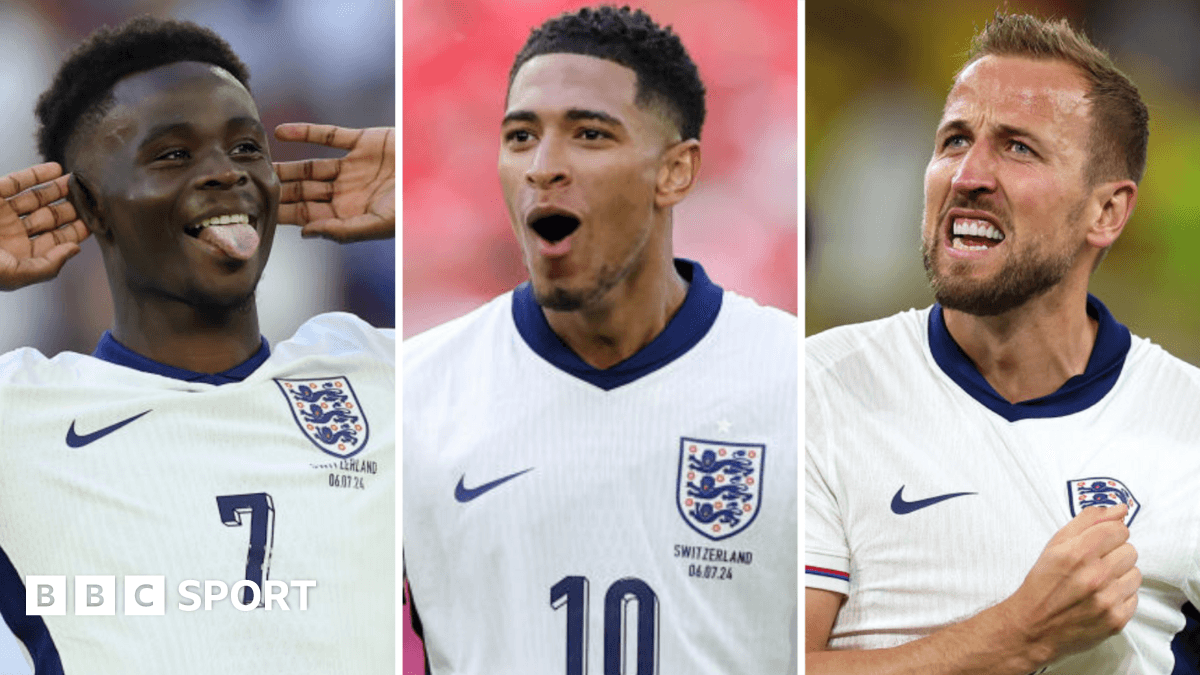
Irrespective of the tactical system, a core spine of the team written in permanent ink by Tuchel. A split-pic graphic on BBC Sport featuring Bukayo Saka, Jude Bellingham, and Harry Kane immediately highlights the attacking trident that constitutes the untouchable core. Harry Kane leads the line not just as a finisher but as a deep-lying playmaker, and Jude Bellingham operates as a dynamic, box-crashing presence from midfield. Bukayo Saka, on the right side, provides direct dribbling and a reliable left-footed cut inside. These three players are the non-negotiable attacking pillars.
The Goalkeeping Conundrum
In goal, Jordan Pickford’s longevity and tournament experience with England typically make him the default starter in a selection quiz. However, the clamor to start a more fashionable alternative is a perennial debate. Pickford’s distribution and shot-stopping have rarely let England down on major stages, and the safe money is on Tuchel trusting the continuity of his Everton stopper, especially with a new-look defensive line ahead of him.
Midfield Anchors and Partner Selection
Declan Rice is the obvious anchor. The dilemma lies in selecting his partner. The squad likely includes a progressive passer like Kobbie Mainoo or Curtis Jones, versus a more defensively solid presence. To free Bellingham into his most devastating forward role, the double pivot must click seamlessly. The more defensively robust option allows England’s potent attackers—Saka, Bellingham, possibly Cole Palmer—to stay higher. As Sports Illustrated notes, the depth here created a “daunting prospect” for selection, potentially leaving a huge name on the outside looking in.
Attacking Waves: The Final Third Combination
England’s embarrassment of riches places the selection debate squarely in the attacking midfield spots behind Kane. The BBC’s picker forces fans to choose who complements Bellingham and Saka. Cole Palmer’s mercurial genius and Phil Foden’s PFA Player of the Year pedigree battle for those slots. Tactically, athleticism on the counter-press may trump pure flair. Against a physical Croatia side in the opener, the selection will signal Tuchel’s immediate appetite for risk. The battle for the left-sided 'number 10' slot—often a blind spot for England—will be fiercely contested, with Foden’s experience against Premier League defenses potentially giving him the edge. The possibility of deploying Anthony Gordon’s pure pace to stretch defenses is another tactical lever Tuchel can pull.
AI Perspective: Simulation and Future Outlook
While fan selection widgets drive engagement, future analytical models will measure the exact cohesion metrics of selected XIs. By simulating Tuchel's likely 3-4-2-1, the model favors a backline of Kyle Walker (recovery pace), John Stones (buildup), and Levi Colwill (left-footed balance). Wing-backs Trent Alexander-Arnold and Luke Shaw provide the needed asymmetrical creativity. The pivot of Declan Rice and a disciplined Curtis Jones, as selected by the BBC interactive tool's probable trends, allows Jude Bellingham and Phil Foden to roam. This specific configuration directly impacts England's group stage path through Croatia, Ghana, and Panama. The Sports Illustrated report of “controversial omissions” likely refers to a high-profile forward left at home, meaning the selected starters must deliver immediately, or the narrative of division cited by Tom Gott will dominate tournament coverage. The future reality is undeniable: England possesses the raw materials to win the World Cup, but according to both BBC projections and SI’s analysis, Tuchel’s anti-sentimental selection of those eleven names dictates whether the talent pool translates into the first major trophy since 1966.
Sources & Further Reading
- https://www.telecomasia.net/news/football/england-national-football-team-announces-2026-world-cup-squad/
- https://www.telecomasia.net/blog/thomas-tuchel-names-england-squad-for-2026-fifa-world-cup-as-ivan-toney-earns-surprise-recall/
- https://www.si.com/soccer/england-2026-world-cup-roster-confirmed-full-list-players-controversial-omissions
- https://www.bbc.com/sport/football/articles/cp8p20n2355o