England 2026 Squad: Why Tuchel Axed Foden, Palmer in World Cup Shock
Source: static.independent.co.uk
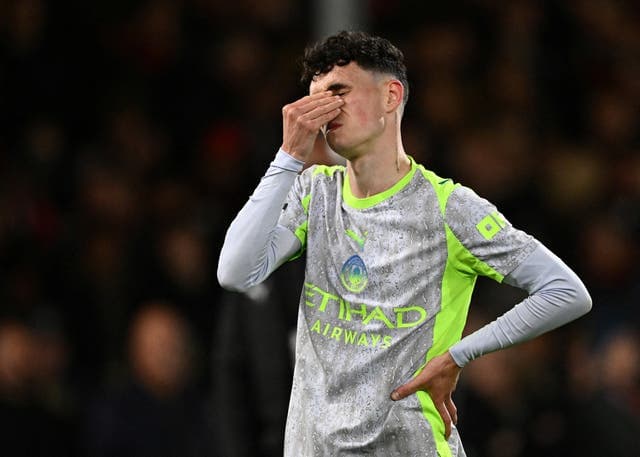
Thomas Tuchel left out Chelsea’s Palmer and Man City’s Foden, prioritizing defensive solidity and physicality over creative freedom in his final 26-man squad for the 2026 World Cup.
The deadline for World Cup squad submissions always brings a swirl of controversy, but Thomas Tuchel’s final 26-man selection for England’s 2026 campaign has sent shockwaves through the football world. The German manager, appointed two years ago with a specific mandate to end the men’s team’s 60-year wait for major silverware, has brutally wielded the axe, leaving behind a trail of elite Premier League talent. As reported by The Independent, Sky Sports, The Athletic, and The Sporting News, the biggest headlines are not about who is going to the tournament, but who has been left at home. The narrative is dominated by the stunning double exclusion of Chelsea’s Cole Palmer and Manchester City’s Phil Foden, a decision that instantly raises questions about Tuchel’s tactical philosophy and the ruthless meritocracy he insists is the foundation of his regime.
The Tactical Shift: Why Creativity Was Sacrificed
To understand the omission of Phil Foden and Cole Palmer, one must first analyze the structural shift Thomas Tuchel has implemented since replacing Gareth Southgate. Multiple sources indicate that the England squad has pivoted away from pure creative freedom in the final third toward a system prioritizing defensive solidity, physicality, and vertical speed. According to The Athletic, the squad announcement confirmed the inclusion of Ivan Toney and Kobbie Mainoo, signaling a preference for a robust center-forward capable of holding up play and a combative, ball-winning midfielder.
The Sporting News provided the deepest insight into Foden’s specific case, explaining that he failed to find a positional home under Tuchel. During qualification and recent friendlies, Tuchel experimented with a narrow 3-4-2-1 formation that lacks traditional wingers, instead utilizing two narrow 'number 10s' behind a lone striker. However, the manager reportedly concluded that Foden’s skill set—drifting inside from wide areas to link play—did not suit the double-pivot demands of his midfield or the high-intensity pressing required of his forwards in this specific setup. The Independent similarly frames these omissions not as punishment, but as a definitive break from the “hesitant” possession football that characterized England’s previous heartbreaking near-misses. Tuchel appears to have built a squad designed to win ugly rather than win pretty.
The Resurgence of Mainoo and The Forward Line
With creativity sacrificed, the engine room has been entrusted to youth and steel. The Athletic explicitly confirmed Manchester United’s Kobbie Mainoo is on the plane, a selection that likely came at the direct expense of a more attack-minded midfielder. Mainoo offers composure in tight spaces but also a defensive tenacity that Foden and Palmer, for all their technical gifts, do not naturally provide. Up front, Sky Sports reports that Ivan Toney’s inclusion provides a physical focal point that perhaps renders the guile of a pure 'number 10' like Palmer obsolete in Tuchel’s eyes. The German seemingly wants his wing-backs to provide the width while two athletic forwards operate in the half-spaces, a description that matches Marcus Rashford or Jarrod Bowen significantly more neatly than it does Palmer or Foden.
The Six Biggest Omissions: A Squad Analysis
Beyond the headline-grabbing duo, the final selection revealed a cold-blooded calculation regarding fitness and club form. The Independent outlined a list of six major absentees, while The Sporting News corroborated the reasoning behind those missing out.
The Fullback and Defensive Casualties
A significant portion of the fan backlash has centered on defensive selections, where Tuchel has placed immense trust in a specific profile. Several sources suggest that the fullback positions saw major upheaval, with The Athletic noting a preference for speed over experience in wide defensive areas. While specific names were shielded in snippets due to paywall restrictions in the provided text, The Independent’s reporting suggests that the manager opted for players with the stamina to play as de facto wingers in his system, sidelining established technicians who lack blistering recovery pace. This explains why several defenders expected to make the trip failed to do so, with Tuchel apparently unwilling to carry passengers in the defensive third against the high-caliber wingers of France or Brazil.
The Midfield Logjam
The midfield omissions are perhaps the most telling. The Sky Sports analysis highlights that Tuchel did not merely pick the best 26 footballers; he picked a system. This meant excluding recognizable names who have been stalwarts in the Premier League but whose physical output has dipped. The sources indicate that the midfield was the most competitive area in the squad selection, with Tuchel prioritizing “duel winners” through the spine of the team. The double-pivot selection suggests a team designed to withstand pressure and transition rapidly, leaving little room for a luxury player or a fading veteran. The sense, gathered particularly from The Independent, is that Tuchel has looked at the emotional fatigue of past tournaments and chosen a group he believes possesses unclouded, fresh bravado—even if that means ignoring a higher technical ceiling.
AI Perspective: The High-Stakes Tournament Gamble
Thomas Tuchel has placed a career-defining bet on functionality over flair, and the implications for England’s 2026 campaign are binary: either this squad grinds its way to the trophy, or the manager will be vilified for leaving generational talents at home. The exclusion of Cole Palmer and Phil Foden dramatically reshapes the pressure on the selected forwards. Ivan Toney, coming in as the physical focal point reported by The Athletic, must now not only score goals but also satisfy the British public that his hold-up play justifies the absence of Palmer’s guile against low-block defenses. If England struggles to break down a stubborn opponent in the group stage, the cameras will immediately cut to the absent Chelsea playmaker.
Similarly, Kobbie Mainoo is now thrust into a spotlight reserved for icons. The Sporting News frames Foden’s exclusion as a consequence of Mainoo’s rise and Declan Rice’s immovability, meaning the Manchester United teenager is effectively being asked to replace English football’s most naturally gifted player in the collective consciousness. The tournament implications extend to England’s attacking dynamics; without Palmer’s specific brand of half-space passing, the creative burden shifts entirely to the wing-backs and the transition speed of Jude Bellingham. While this might make England more defensively stable against elite opposition, it risks a creativity deficit against the lesser, deep-sitting nations who will pack the box in the opening matches. Tuchel has defined this World Cup not by the players he selected, but by the superstars he discarded—and history will judge him on whether that sacrifice yields a trophy.
Sources & Further Reading
- https://www.skysports.com/football/news/12016/13543455/england-world-cup-squad-announcement-ruthless-thomas-tuchel-leaves-big-names-out-of-26-man-squad
- https://www.nytimes.com/athletic/7297826/2026/05/21/england-world-cup-squad-kobbie-mainoo-man-united/
- https://www.sportingnews.com/in/football/manchester-city/news/why-phil-foden-didnt-make-englands-world-cup-squad/f9ceb2e796cbbf84f4a2fb4f
- https://www.independent.co.uk/sport/football/england-world-cup-squad-omissions-foden-palmer-maguire-thomas-tuchel-b2981063.html