Zohran Mamdani Announces $50 World Cup Ticket Lottery for NYC
Source: i.guim.co.uk
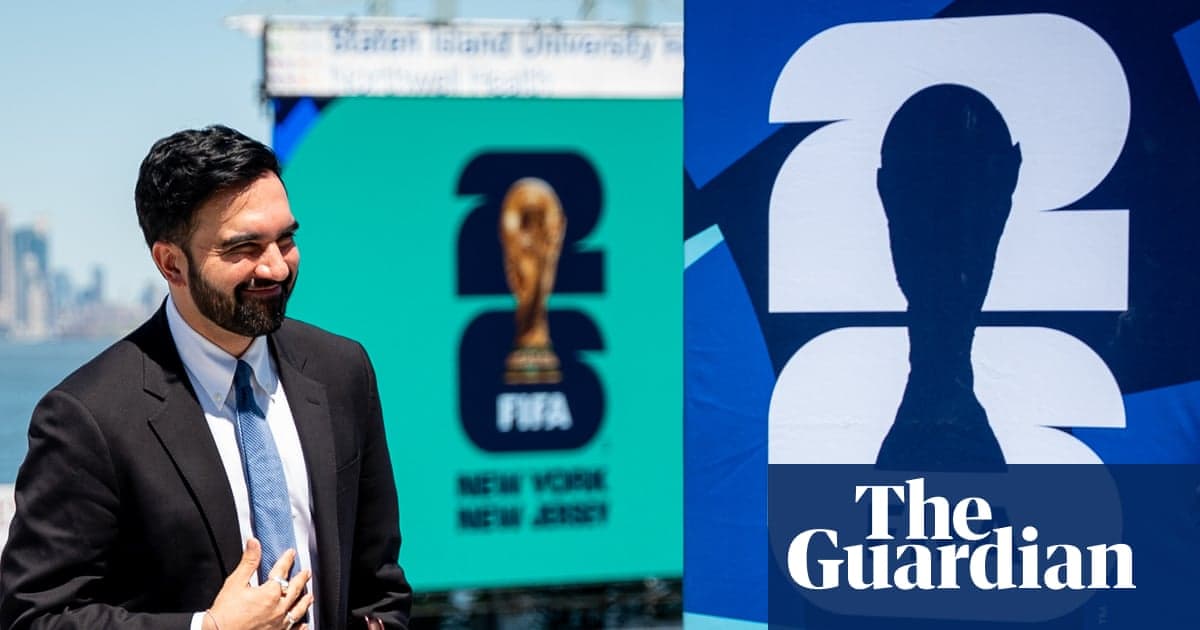
NYC Mayor Zohran Mamdani announces a lottery for 1,000 $50 World Cup tickets for NYC residents, including bus transport to MetLife Stadium.
In a move that cuts through the staggering cost of attending the 2026 FIFA World Cup, New York City Mayor Zohran Mamdani has unveiled a lottery program offering 1,000 tickets to local residents for just $50 each. The initiative, announced at a press conference in Harlem’s Little Senegal, directly confronts a ticket market where prices have soared into the thousands, threatening to lock out ordinary fans from the global spectacle taking place just across the Hudson River at MetLife Stadium.
The Lottery Details
The program, detailed by CNN and 6sqft, will distribute tickets across all seven matches scheduled for the East Rutherford, New Jersey venue—five group-stage games and two knockout-round contests—excluding only the final. Each ticket includes round-trip bus transportation, a crucial addition that removes another barrier for residents of the five boroughs. The 1,000 seats will be located in the upper bowl of the 82,000-capacity stadium, with roughly 150 tickets allocated per match.
How to Enter
Eligibility is strictly limited to New York City residents, and the lottery will run from May 25 for six days. According to CNN, each person can sign up once per day, with daily entries capped at 50,000. Winners not only secure a $50 ticket for themselves but also earn the right to purchase a second ticket at the same price. “This is just a question of if you sign up, and then it’s just a question of crossing your fingers,” Mamdani said, emphasizing the random-draw nature of the process.
Addressing the Affordability Crisis
The mayor’s announcement is a direct response to the eye-watering cost of World Cup tickets on the open market. As The Guardian reported, Mamdani has previously taken aim at FIFA over pricing, and his administration’s move frames access to the tournament as a matter of equity. “We know that ticket prices for this tournament have soared into the thousands of dollars. There are countless New Yorkers desperate to attend a World Cup match, but who simply cannot afford to go,” Mamdani stated, as quoted by CNN.
Soaring Prices and FIFA Criticism
The Guardian noted that the mayor’s broader engagement with soccer—including his well-documented fandom as an Arsenal supporter—has given him a platform to challenge FIFA’s commercialization. By securing these discounted tickets, the city is effectively creating a public pathway into an event that risked becoming an exclusive corporate affair. The $50 price point, a fraction of even the cheapest resale listings, is a symbolic and practical intervention.
A Political and Community Play
The announcement was strategically staged in Little Senegal, a neighborhood with deep ties to the global soccer community. 6sqft highlighted that Mamdani had previously organized a series of neighborhood watch parties throughout NYC, signaling a sustained effort to connect the World Cup to the city’s diverse immigrant populations. The lottery is not just about affordability; it’s a political statement that the beautiful game belongs to everyone, not just those with deep pockets.
Mamdani’s Soccer Credentials
Mamdani’s personal passion for the sport lends authenticity to the initiative. The Guardian’s Bryan Armen Graham recently profiled the mayor as an “Arsenal super-fan,” underscoring how his soccer obsession informs his governance. This credibility helps the lottery resonate beyond a mere policy announcement, framing it as a genuine attempt to share the joy of the World Cup with constituents who might otherwise watch from afar.
AI Perspective: What This Means for the Tournament
The lottery’s impact extends beyond the 1,000 lucky winners. It sets a precedent for how host cities can push back against the tournament’s hyper-commercialization, and it could influence the atmosphere inside MetLife Stadium. With tickets distributed to local residents rather than corporate sponsors, the crowd for group-stage matches and the two knockout games—likely a round of 32 and a round of 16—may be louder, more diverse, and more emotionally invested.
Potential Matchups and Star Power
While the exact match schedule is not yet set, the MetLife slate is expected to feature high-profile teams. If the USMNT tops its group, it could play a round-of-32 match at this venue, giving New Yorkers a once-in-a-lifetime chance to roar for the home side at a fraction of market cost. Similarly, a knockout clash involving a traditional powerhouse like Brazil, Argentina, or England would suddenly become accessible to fans who had resigned themselves to watching on television. The lottery transforms abstract fixtures into tangible, affordable experiences for communities that rarely get such access.
A Model for Other Host Cities?
Mamdani’s move may pressure other 2026 host cities—Los Angeles, Dallas, Atlanta, and beyond—to explore similar affordability programs. If successful, the NYC lottery could become a template for democratizing access to mega-events, proving that public intervention can coexist with FIFA’s commercial framework. For now, the focus remains on the five boroughs, where thousands will soon cross their fingers, hoping to turn a $50 ticket into a lifelong memory.
Sources & Further Reading
- https://www.6sqft.com/nyc-residents-mamdani-affordable-world-cup-tickets/
- https://www.cnn.com/2026/05/21/sport/zohran-mamdani-world-cup-tickets-new-york
- https://www.nytimes.com/athletic/7296455/2026/05/21/mamdani-world-cup-tickets-fifa-wenger/
- https://www.theguardian.com/football/2026/may/21/zohran-mamdani-world-cup-tickets-new-york-city