World Cup 2026 Stadiums: Every Venue, Capacity, and Fixture for the 48-Team Tournament
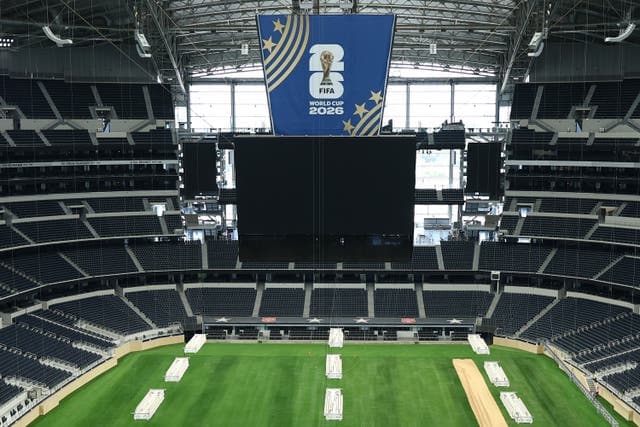
Source: static.independent.co.uk
The 2026 World Cup expands to 48 teams across 16 stadiums in the US, Canada, and Mexico. MetLife Stadium hosts the final, while Spain opens in Atlanta. Vuvuzelas are banned.
The 2026 FIFA World Cup marks a historic shift: for the first time, 48 nations will compete across three host countries – the United States, Canada and Mexico – in a tournament of unprecedented scale. As the opening matches approach, attention turns to the 16 stadiums that form the backbone of this summer’s football spectacle. According to The Independent, matches will be held from coast to coast, with venues ranging from NFL powerhouses to iconic Mexican arenas, each presenting its own logistical and atmospheric challenges. The expanded format not only demands flawless organisation but also places these sporting cathedrals under a global spotlight, promising a month of drama that will stretch resources and fandom alike.
Key Venues and Their Marquee Matches
The jewel in the crown is MetLife Stadium in East Rutherford, New Jersey, which The Independent confirms will host the World Cup final. With a capacity exceeding 82,000, this familiar NFL venue will become the epicentre of world football on 19 July. Among the group-stage highlights, Atlanta’s Mercedes-Benz Stadium emerges as a critical hub. Al Jazeera details that it will stage European champions Spain’s opening two matches – against Cape Verde on 15 June and Saudi Arabia on 21 June – as well as a potential last-32 clash involving England, should Gareth Southgate’s side top Group L, as noted by The Independent
Gillette Stadium in Boston is
another key US location, hosting five group fixtures and a round-of-16 tie, while other American arenas such as Dallas’ AT&T Stadium and Los Angeles’ SoFi Stadium will welcome multiple knockout encounters, cementing the country’s role as the tournament’s logistical heart.
Canada and Mexico’s Contributions
Beyond the United States, Canada and Mexico provide three historic venues each. While specific fixtures are yet to be highlighted by the sources, Al Jazeera’s comprehensive guide includes Estadio Azteca in Mexico City – the first stadium to host World Cup matches in three separate tournaments – alongside Guadalajara’s Estadio Akron and Monterrey’s Estadio BBVA. Canada’s BMO Field in Toronto and BC Place in Vancouver, with its retractable roof, are set to bring a northern flavour to the competition. The Bulrushes adds a notable detail: FIFA has banned vuvuzelas from all 2026 stadiums, a move aimed at preserving a more traditional football atmosphere and avoiding the drone that divided opinion in South Africa 2010.
Logistical and Political Hurdles
The sheer geographical spread – from Vancouver in the west to Boston in the east, and south to Guadalajara – poses a significant test for teams and fans. The Bulrushes describes the tournament as a “grand stage” facing “logistical, political, health hurdles,” though it does not elaborate on specifics. Travel fatigue could influence squad rotations, and the vast distances between venues may deter some supporters from attending multiple matches. Politically, the tri‑nation collaboration requires seamless coordination among different governments, security agencies, and transport systems – a complexity unmatched in World Cup history. Health protocols, still lingering from the post‑pandemic era, add another layer of scrutiny for organisers.
The Bigger Picture
The 2026 World Cup’s stadium list reflects both ambition and pragmatism. While American venues dominate in number, the inclusion of Mexican and Canadian sites honours the continent’s football heritage and expands the tournament’s reach. The decision to allocate key matches to Atlanta’s Mercedes-Benz Stadium – where Spain’s early journey will unfold – and to place the final at MetLife Stadium underscores a strategy of using modern, high‑capacity arenas to maximise revenue and visibility. Yet, as The Bulrushes suggests, the challenges are not merely infrastructural; the ban on vuvuzelas hints at FIFA’s desire to control the fan narrative, even as it navigates the risks of a tournament spread across 3,000 miles. For teams like Spain, England, and the host nations, adapting to varying climates, surfaces, and crowd dynamics could prove decisive. The success of this World Cup will ultimately be measured not only by the football but by whether the grand North American experiment can overcome its inherent hurdles.
Sources & Further Reading
- https://www.skysports.com/football/news/11095/13548788/world-cup-2026-every-key-question-answered-about-this-summers-tournament-in-usa-canada-and-mexico
- https://www.aljazeera.com/sports/2026/6/3/fifa-world-cup-2026-stadiums-matches-us-canada-mexico
- https://thebulrushes.com/2026/06/06/2026-fifa-world-cup-north-americas-grand-stage-faces-logistical-political-health-hurdles/
- https://www.independent.co.uk/sport/football/every-stadium-venue-world-cup-2026-b2987061.html