World Cup 2026: Palestinian FA Chief Denied US Visa as Controversy Widens
Source: i.guim.co.uk
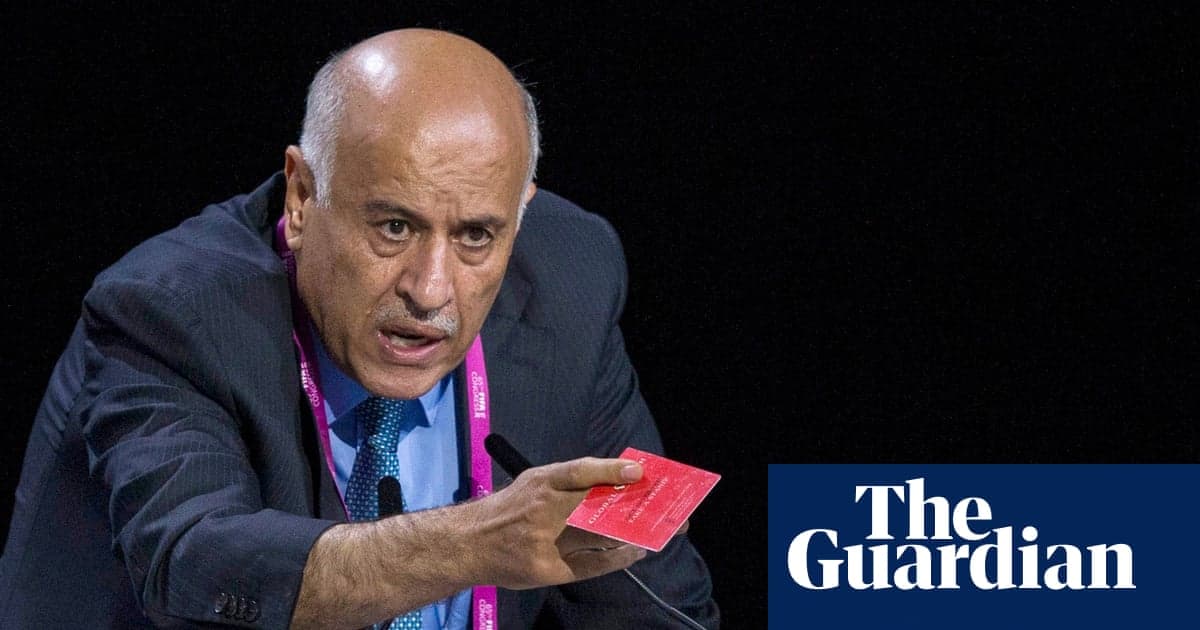
Jibril Rajoub, head of the Palestinian Football Association, says he was denied a US visa to attend the 2026 World Cup, stranding him in Mexico City and highlighting a broader visa controversy affecting dozens of accredited officials from over 20 nations.
The 2026 FIFA World Cup, intended as a celebration of global unity across the United States, Mexico, and Canada, is being overshadowed by a growing and contentious visa controversy that threatens to undermine FIFA’s core message. The situation has escalated dramatically with the head of the Palestinian Football Association, Jibril Rajoub, publicly stating he was denied a US visa, stranding him in Mexico City after attending the tournament’s opening match. His case is not isolated; it forms part of a broader pattern affecting accredited football officials from multiple nations, raising serious questions about the host nation's commitment to a truly inclusive tournament.
A Symbol of Exclusion Stranded at the Border
Jibril Rajoub, the veteran political figure and president of the Palestinian Football Association, attended the World Cup’s opening match between Mexico and South Africa in Mexico City on Thursday. However, unlike other federation heads invited by FIFA, he cannot enter the United States. According to an interview with The Associated Press, Rajoub expressed his profound frustration, stating, “I don’t believe that it’s fair to use or to abuse and deny the right of all footballers all over the world to attend.” The Guardian further confirmed his status, noting he is among several accredited individuals who have been denied visas or are still awaiting approval from US authorities.
The symbolism is particularly stark. FIFA typically invites the leaders of all its member associations to the quadrennial event, framing it as a “celebration of global unity,” as highlighted by The Guardian. The Palestinian team did not qualify on the pitch, but Rajoub’s presence was meant to represent his association within the global football family. His inability to travel transforms the host nation’s border policies into a direct counter-narrative to FIFA’s ideals, isolating a key football administrator based on his nationality rather than any sporting criteria.
A Wider Diplomatic Snarl
Rajoub’s predicament is not happening in a vacuum. Business Insider Africa has reported on a widening controversy that exposes a systematic issue with US visa processing for the tournament. The publication detailed the case of top Somali referee Omar Abdulkadir Artan, who was selected to officiate at the World Cup but was denied entry. The White House has explicitly defended this decision, marking a rare official confirmation of a restrictive policy that is now clashing with global sports logistics. A Sky Sports source further corroborated the scale of the problem, reporting that at least 29 accredited individuals from 20 different nations are currently facing visa delays or outright denials, heavily impacting officials from Africa and the Middle East. This data underscores that the issue is not a one-off technicality but a widespread diplomatic hurdle that is actively reshaping the guest list of the sport's most prestigious event.
FIFA’s Dilemma and the Politics of Sport
This unfolding crisis places FIFA and its president, Gianni Infantino, in an extremely delicate position. The organization has consistently used the World Cup to promote a message of bridging divides, yet it is now confronted with the immovable reality of a host nation’s security and immigration apparatus. The Guardian previously captured an image of Infantino on stage with Rajoub and the head of Israel’s football federation, Basim Sheikh Suliman, a visual testament to FIFA’s ambition to use football as a neutral diplomatic ground. Rajoub’s exclusion from the main US-based portion of the tournament renders such gestures hollow.
According to The Associated Press, Rajoub’s criticism targets the core principle of fair access: the right of accredited footballers and officials to attend the sport’s showcase event. For FIFA, the legal and public relations challenge is acute. Unlike a normal visa applicant, Rajoub was formally invited as part of an official delegation through a FIFA accreditation process. The visa refusals suggest a disconnect between the federal guarantees required to host the event and the execution on the ground, creating a situation where the “Global Unity” slogan is being tested at passport control.
The Bigger Picture
The 2026 visa controversy directly compromises the integrity of the tournament and sets a precarious precedent for future hosts. The practical tournament implications are concrete: Africa’s top referee, Omar Abdulkadir Artan, will now not officiate matches on US soil, changing the refereeing lineup and robbing the tournament of one of the continent’s most respected officials. The collective absence of dozens of accredited delegates from nations across Africa and the Middle East, as cited by Sky Sports, diminishes the diversity of the administrative and ceremonial fabric of the event.
For the future, this situation delivers a powerful argument to nations who might bid for the 2030 or 2034 World Cups, suggesting that guaranteed entry for all accredited participants must be a non-negotiable host agreement, fully enforceable above shifting domestic immigration policies
According to Business Insider
Africa's reporting on the White House defense of the Somali referee’s denial, the US is prioritizing unilateral border security rationales over its contractual obligations to world football. This stance risks long-term reputational damage, framing the 2026 World Cup not as a celebration that welcomed the world, but as a fractured event where key guests were denied a seat at the table based on the passport they held.
Sources & Further Reading
- https://www.greenwichtime.com/sports/article/head-of-palestinian-soccer-not-granted-us-visa-to-22302308.php
- https://www.skysports.com/football/news/12098/13552857/world-cup-2026-fifa-president-gianni-infantino-says-chill-and-relax-after-somali-referee-denied-us-visa
- https://africa.businessinsider.com/local/markets/us-defends-denying-entry-to-africas-top-referee-as-world-cup-visa-controversy-deepens/r58974g
- https://www.theguardian.com/football/2026/jun/12/palestinian-football-chief-says-us-denied-him-visa-to-attend-world-cup