World Cup 2026: FIFA Threatened with Legal Action Over Iranian Flag Ban
Source: i2-prod.mirror.co.uk
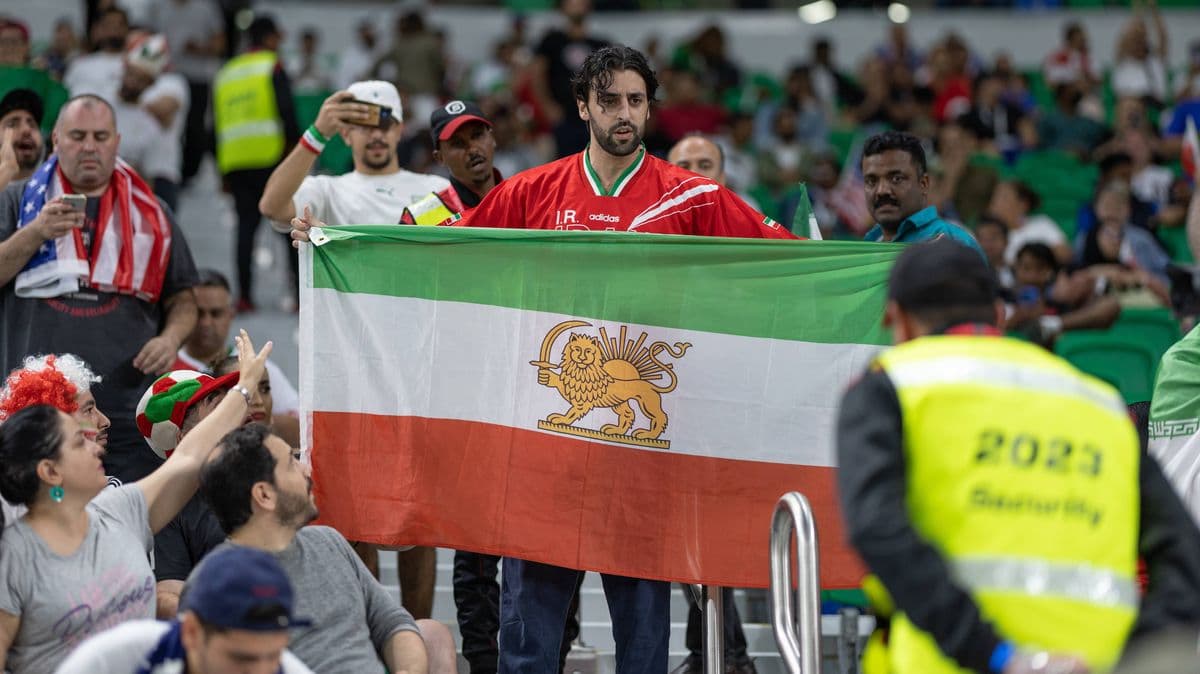
FIFA may ban the Lion and Sun flag from World Cup 2026 stadiums, sparking a legal challenge. The emblem symbolizes opposition and diaspora identity. The controversy adds to geopolitical tensions as Iran plays in Los Angeles.
Iran’s path to the 2026 World Cup has transformed from a story of sporting qualification into a complex diplomatic firestorm, with FIFA teetering on the brink of litigation. As the June 11 kickoff in North America approaches, football’s governing body is reportedly planning to ban the pre-revolutionary Iranian flag—featuring the Lion and Sun emblem—from stadiums, triggering threats of legal action and deepening the tournament’s pre-existing anxieties over geopolitics and security.
The Flag Ban and Legal Fallout
According to the Daily Mirror, FIFA is staring down the “prospect of legal action” if it enforces the proposed prohibition on the Lion and Sun flag. This emblem, tied to Iran’s pre-1979 history, has become a symbol for opposition groups and many in the Iranian diaspora, particularly in the United States. The Mirror reports that the controversy is unfolding “amid an already turbulent tournament build-up,” which has included fraught visa processes for the Iranian team and unease over their safety on American soil.
The New York Times, cited by Haaretz, reports that FIFA’s planning for the ban is active, with a source claiming “direct knowledge” of the organization’s internal deliberations. Haaretz notes that the White House has declined to comment on the expected restriction, a silence that speaks volumes about the diplomatic tightrope the Biden administration faces
Hosting Iran in Los
Angeles—a city with the world’s largest Iranian expatriate community—adds a volatile social dimension to the controversy.
A Symbolic Battle with Concrete Consequences
The legal threat is not a hypothetical posturing. Any ban would likely be challenged on grounds of discrimination or free expression, particularly if rival national symbols are permitted without restriction. The Mirror highlights the broader backdrop: despite a ceasefire between Israel and the U.S. against Iran, President Donald Trump’s rhetoric continues to fuel anxieties. The Iranian FA president, Mehdi Taj, has publicly stated that the squad has not yet obtained visas, according to the Mirror US, leaving the team’s very attendance in doubt. A flag ban layered onto these entry hurdles could be interpreted as a politically motivated act, strengthening any legal claim against FIFA.
Iran’s Uncertain Tournament Status
Even without the flag dispute, Iran’s participation has been a cliffhanger. Yahoo Sports reports that a “positive meeting” between FIFA secretary general Mattias Grafström and Iranian football officials in Istanbul on May 16 made the nation’s World Cup appearance “likely.” This summit addressed the prolonged uncertainty following the armed conflict between the U.S. and Israel against Iran in late February, after which a shaky ceasefire took hold.
The Daily Mirror recounts the surreal pre-tournament atmosphere, where a send-off rally in Tehran masks deep logistical fears. The team’s potential absence would not just be a political shockwave; it would fundamentally alter Group B’s competitive balance, specifically impacting the United States and Wales, who would face a reconfigured schedule and a possibly weaker replacement opponent, or even an unforeseen forfeiture scenario in the group stage.
AI Perspective and Tournament Implications
FIFA’s decision over the Lion and Sun flag will reverberate far beyond legal chambers. If the ban holds, the federation risks alienating a massive diaspora that might otherwise energize match atmospheres in Los Angeles. More critically, a prolonged legal battle could distract from the tournament’s logistics and create a chilling precedent for how host nations, de facto or officially, pressure FIFA to suppress forms of political expression.
Should the legal threat materialize into a court injunction, FIFA may be forced into a hasty reversal, undermining its authority on stadium regulations just as it attempts to enforce a unified code of conduct across three host nations. From a squad perspective, the continued visa uncertainty for Iran’s players, as flagged by Taj, means Team Melli’s preparation is being starved of stability. A last-minute visa resolution might still leave the team mentally fragile heading into their opener. For opponents, specifically the U.S. and Wales, planning becomes impossible. Scouting reports may be rendered useless if Iran fields a delegation of inexperienced reserves due to travel delays, or if a replacement team is parachuted in.
Concretely, this controversy could force FIFA to implement emergency tournament protocols. If Iran’s players cannot secure visas, the organization would need to turn to a pre-identified standby nation, almost certainly from the Asian Football Confederation, to preserve the tournament’s integrity. No official alternate has been named, but the threat of legal action over the flag adds a second front of chaos. This geopolitical imbroglio confirms that the 2026 World Cup’s most decisive moments will not just occur on the pitch in Los Angeles, but also in courtrooms and consular offices across the globe.
Sources & Further Reading
- https://www.foxnews.com/outkick-sports/fifa-faces-lawsuit-plan-ban-irans-pre-revolution-lion-sun-flag-2026-world-cup-stadiums
- https://www.haaretz.com/sports/2026-05-19/ty-article/fifa-mulls-banning-iranian-opposition-flag-from-2026-world-cup-report-says/0000019e-4002-d394-addf-fb3a8b0d0000
- https://sports.yahoo.com/articles/iran-set-play-2026-world-193449696.html
- https://www.mirror.co.uk/sport/football/news/iran-world-cup-legal-action-37213826