Thomas Partey Misses World Cup Opener After Canada Visa Denial
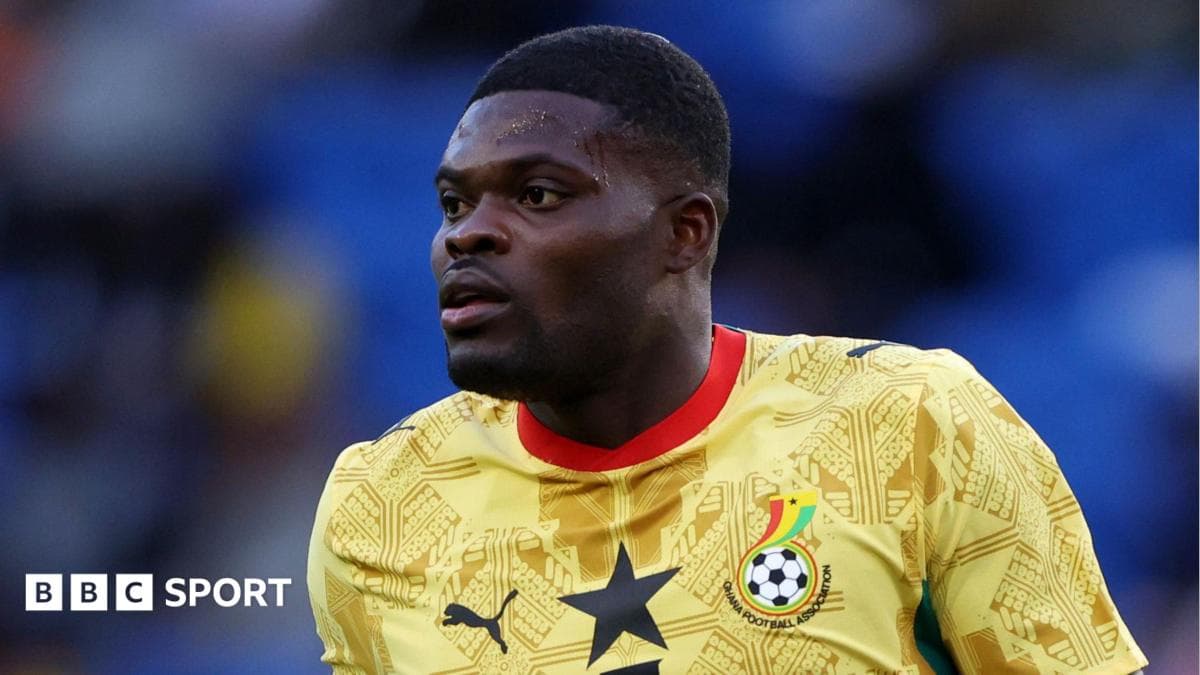
Source: ichef.bbci.co.uk
Ghana midfielder Thomas Partey has been denied entry to Canada for the 2026 World Cup opener against Panama due to a refused visa, linked to pending sexual assault charges in the UK. The decision highlights tensions between host immigration rules and global sports.
The 2026 World Cup has barely begun, and already immigration policy is reshaping the tournament in ways no one anticipated. Ghana’s veteran midfielder Thomas Partey has been denied entry to Canada, ruling him out of the Black Stars’ opening match against Panama in Toronto. The decision, confirmed by FIFA and first reported by BBC Sport, stems from a refused visa application by Canadian authorities. Partey, 32, is facing seven counts of rape and one count of sexual assault in the UK, with a trial set for next year. He has pleaded not guilty to all charges, but the pending legal case appears to have triggered Canada’s strict admissibility rules, which allow border officials to bar individuals who have committed or been accused of a crime. The incident not only deals a blow to Ghana’s midfield but also highlights the growing tension between host nations’ immigration controls and the global nature of the World Cup.
The Visa Refusal and Legal Background
According to BBC Sport, Partey’s visa application was refused by the Canadian government while the Ghana squad was training in Boston, Massachusetts. FIFA issued a statement distancing itself from the matter: “Fifa is not involved in the immigration processes of host countries, including the adjudication of visas. The host government ultimately determines who receives a visa and is admitted into the country.” This hands-off stance underscores the reality that even the world’s most powerful sports body cannot override national sovereignty when it comes to border security.
Partey’s legal situation is complex. The charges relate to alleged incidents between 2020 and 2022, during his time at Arsenal. He moved to Villarreal in the summer of 2025 and has continued to represent Ghana, earning selection for his second World Cup. Canadian immigration guidelines state that a person may be inadmissible if they have committed or been convicted of a crime, but the rules also allow for discretion in cases where no conviction has occurred. The refusal suggests that the mere existence of serious pending charges was enough to deny entry, even for a high-profile athlete traveling for a major sporting event.
Ghana’s Midfield Dilemma
Star Player’s Absence
Partey’s absence is a significant tactical setback for Ghana. A box-to-box midfielder known for his defensive acumen and ability to break up play, he was expected to anchor the team against a physical Panama side. Head coach Carlos Queiroz had previously defended his decision to include Partey in the squad, telling reporters, “If the player is here with me, my answer is clear. I don’t have any comments about my own decisions.” Queiroz adopted a philosophical tone, adding, “Let the events run their normal course; let the river flow and one day when the river meets the ocean we are going to find the truth.” Now, however, the coach must confront the immediate reality of losing a key player just days before the opener.
Potential Replacements
While the BBC report does not specify who will step in, Ghana’s squad includes several candidates. Ajax’s Mohammed Kudus, typically an attacking midfielder, could drop deeper to partner with a more defensive-minded player. Alternatively, RC Lens’ Salis Abdul Samed, a natural ball-winner, might be drafted in to provide the steel that Partey would have offered. The tactical reshuffle could force Ghana into a more cautious approach, ceding possession and looking to hit on the counter—a risky strategy in a must-win group-stage match.
A Broader Pattern of Immigration Hurdles
Partey’s case is not an isolated incident. As Newsweek reported on June 12, tightened U.S. immigration rules under President Donald Trump have already barred several individuals from entering the country for the tournament. Somali referee Omar Artan, the 2025 Confederation of African Football Referee of the Year, was detained for 11 hours at Miami International Airport and denied entry despite holding a diplomatic passport and a valid visa
Customs and Border Protection
cited “vetting concerns,” and Artan—who would have been the first Somali to officiate a World Cup match—was sent home. Somalia is on the Trump administration’s travel ban list.
Additionally, members of Iran’s team staff have faced entry issues amid the ongoing conflict between the U.S. and Iran, marking the first time a host nation is at war with a participating country. These denials, while occurring at U.S. borders rather than Canada’s, reveal a common thread: the 2026 World Cup, spread across three nations with distinct immigration policies, is becoming a logistical minefield. FIFA’s repeated statements that it does not control visas place the burden squarely on teams to navigate unpredictable entry requirements, and the competitive balance of the tournament is being affected as a result.
The Bigger Picture
The denial of Thomas Partey entry to Canada for a World Cup match raises profound questions about the intersection of sports, law, and international mobility. For Ghana, the immediate concern is tactical: how to replace a player of Partey’s caliber in a high-stakes opener against Panama. But the incident also reflects a broader trend in which host nations are using immigration controls to vet participants, potentially altering the competitive balance of the tournament
As the World Cup
progresses, more cases may emerge—whether involving players, referees, or staff—testing FIFA’s ability to ensure that the “beautiful game” remains accessible to all qualified participants, regardless of their legal entanglements elsewhere. The Partey situation serves as a stark reminder that in 2026, the path to the pitch runs through a border checkpoint, and the outcome of matches may be decided as much by immigration officers as by goals.
Sources & Further Reading
- https://www.nytimes.com/athletic/7354492/2026/06/12/thomas-partey-banned-canada-ghana-world-cup/
- https://www.newsweek.com/list-of-everyone-denied-entry-to-the-u-s-ahead-of-the-world-cup-so-far-12066315
- https://www.npr.org/2026/06/09/nx-s1-5851634/immigration-policies-affect-fifa
- https://www.bbc.com/sport/football/articles/cn8qgny4186o