SoFi Stadium Workers Vote to Strike, Threatening USMNT's World Cup Opener
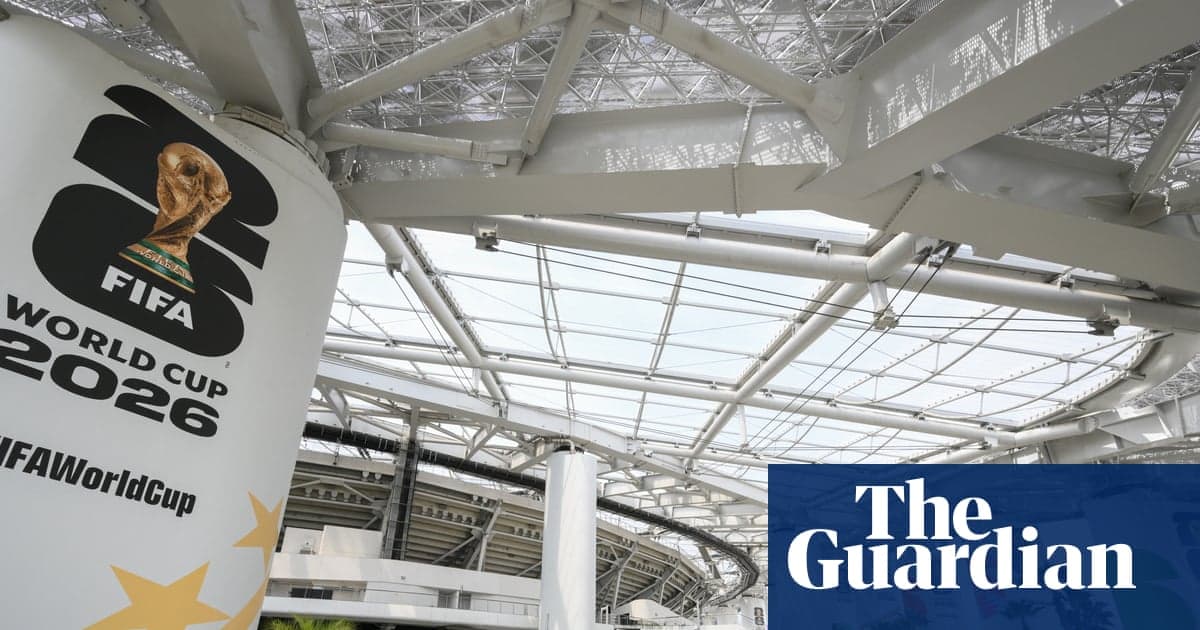
Source: i.guim.co.uk
Hospitality workers at SoFi Stadium voted 96% to authorize a strike just days before the World Cup, demanding fair wages and ICE protections. The dispute threatens USMNT's opening match against Paraguay on June 12.
The 2026 FIFA World Cup is set to kick off on June 11 with a global spotlight on the United States, but mere days before the opening whistle, a labor dispute at one of the tournament’s premier venues threatens to overshadow the festivities. Thousands of hospitality workers at SoFi Stadium in Inglewood, California, are poised to walk off the job after overwhelmingly voting to authorize a strike, casting a shadow over high-profile matches—including the United States Men’s National Team’s opener against Paraguay on June 12. According to multiple sources, the standoff between the union, stadium operator Legends Global, and FIFA has reached a critical point, with workers demanding fair wages and protections from immigration enforcement.
The Strike Threat at SoFi Stadium
SoFi Stadium, home to the NFL’s Rams and Chargers, is scheduled to host eight World Cup matches, making it a centerpiece of the tournament. But the venue’s food and beverage operations are in turmoil. Unite Here Local 11, which represents more than 2,000 cooks, dishwashers, bartenders, servers, and concession workers, voted 96% in favor of strike authorization, as first reported by The Guardian. The vote, held on June 4 and 5 according to ABC7, clears the way for a work stoppage at any moment, even during matches.
The union’s demands center on two issues: wage increases and safeguards against Immigration and Customs Enforcement (ICE) actions. The Athletic noted that negotiations with Legends Global and FIFA broke down after multiple bargaining sessions failed, with union co-president Kurt Petersen confirming the union had walked away from the table. The previous collective bargaining agreement had expired, leaving workers without a contract as the World Cup loomed.
Testimony from employees underscores the frustration. Eva Miles, a bartender at SoFi since it opened in 2021, told The Guardian: “We’re just trying to make things fair. Without us, they don’t have a stadium. Are they going to cook? Are they going to serve?” Her words reflect the sentiment that the venue’s massive revenues—suite packages alone commanding over $100,000, per Unite Here—should trickle down to frontline staff. ABC7 revealed that Legends Global’s latest proposal included wage freezes for some suite attendants, a sticking point that ignited union outrage.
The timing could not be worse for the USMNT. The squad’s opening match against Paraguay is a marquee event expected to draw a capacity crowd and global television audience. A strike would not only disrupt concessions but could lead to picket lines outside the stadium, creating logistical chaos and a public relations nightmare for FIFA. The Athletic called the situation a “significant” problem for the governing body, which has struggled to contain the fallout.
The Role of ICE and Immigration Fears
A distinct element of this labor fight is the demand for ICE protections. Many hospitality workers are immigrants, and the union has highlighted the fear of workplace raids as a key concern. The Athletic previously reported on SoFi workers protesting outside the stadium with anti-ICE placards, tying the issue directly to the World Cup’s arrival. For these employees, the tournament’s global visibility is a double-edged sword: it offers a platform to amplify their cause but also increases the risk of enforcement actions that could separate families. The union’s strike authorization explicitly includes this as a bargaining chip, seeking written guarantees from employers and FIFA.
Broader Labor Unrest Across Host Cities
While SoFi Stadium grabs headlines, The Guardian noted that hospitality and hotel workers in multiple US host cities are threatening similar actions. The World Cup’s vast footprint—stretching from Los Angeles to New York and beyond—has exposed long-standing tensions in the American service industry. Workers in hotels and event venues are leveraging the tournament’s $5 billion-plus revenue stream to demand better pay and conditions. Though details from other cities remain sparse in the provided sources, the solidarity evident in Unite Here’s stance suggests a coordinated push. If a strike materializes in Los Angeles, it could embolden colleagues in other markets, potentially disrupting fan experiences across the tournament.
FIFA and Legends Global Under Pressure
FIFA, already navigating the complexities of a 48-team World Cup, finds itself caught between its commercial partners and a restive workforce. The organization’s involvement in negotiations, confirmed by ABC7, is unusual but reflects the high stakes. The Athletic emphasized that FIFA’s contract with Legends Global leaves the governing body exposed if services fail, and a strike would violate host-city agreements that mandate fully operational venues. The financial implications are staggering: each SoFi match generates millions in ticket, hospitality, and broadcast revenue, and any disruption could trigger compensation claims from sponsors and broadcasters.
Legends Global, which manages concessions, has so far been unwilling to meet union demands. Its proposal for wage freezes—even as suite packages soar—has been seen as tone-deaf. Union leaders accuse the company of profiting from the World Cup’s halo while neglecting the workers who make the event possible. With just days until kickoff, the pressure to reach a last-minute deal is immense, but neither side has shown signs of budging.
The Bigger Picture
The strike threat at SoFi Stadium is not merely a local labor issue; it signals a deeper reckoning for global sporting events in the United States. The 2026 World Cup was meant to be a showcase of American efficiency and spectacle, yet it now highlights glaring economic inequalities. For the USMNT, the disruption could prove more than logistical. Any uncertainty surrounding the Paraguay match—whether from a full strike or extended negotiations—could unsettle the team’s preparation. Coach Mauricio Pochettino’s side, already under immense pressure to perform on home soil, may face the surreal scenario of playing in a half-staffed stadium or amid vocal protests.
Beyond the opener, SoFi is slated to host several knockout-stage matches, meaning the labor dispute could reverberate deep into the tournament. FIFA, historically averse to public labor battles, must now decide whether to pressure Legends Global into concessions or risk the indignity of a strike during its flagship event. The Athletic’s reporting suggests the situation is precarious, with no clear resolution in sight.
Ultimately, the 2026 World Cup is colliding with American labor realities in a way few anticipated. The outcome will not only determine whether the USMNT’s kickoff goes smoothly but could set a precedent for how mega-events treat the workers who power them. As Eva Miles put it, without them, there is no stadium. FIFA and its partners would do well to remember that.
Sources & Further Reading
- https://talksport.com/football/world-cup/4311595/sofi-stadium-workers-strike-threatened-usmnt-paraguay-nfl/
- https://abc7.com/post/world-cup-2026-sofi-stadium-workers-vote-strike-soccer-tournament-preparations-continue/19234942/
- https://www.nytimes.com/athletic/7317374/2026/05/29/sofi-stadium-strike-world-cup/
- https://www.theguardian.com/football/2026/jun/09/stadium-hotel-workers-strike-world-cup