Iran World Cup Team Gets U.S. Visas, Sets Up Tense Clash with New Zealand
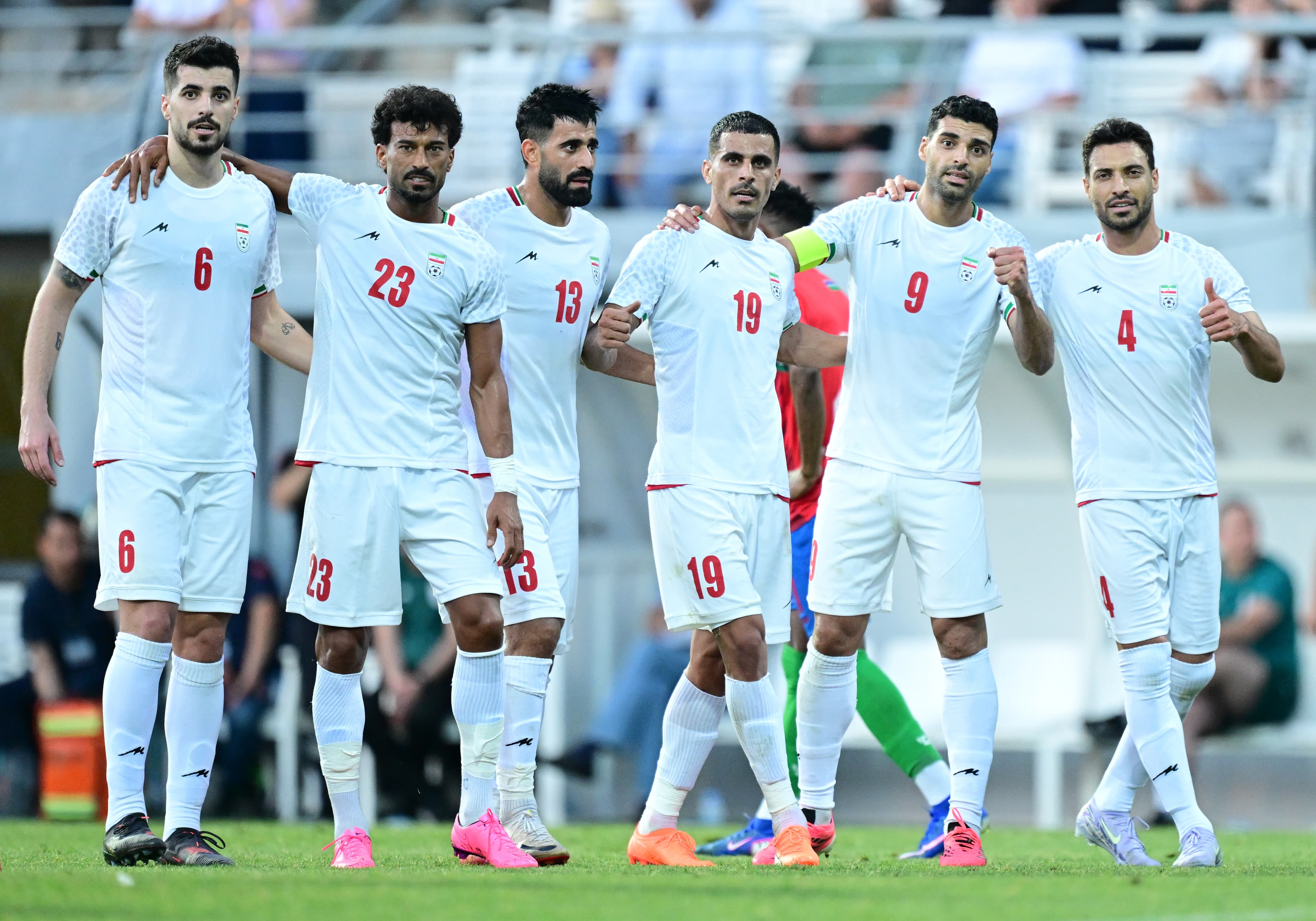
Source: media.zenfs.com
Iran's football team received US visas just 10 days before their World Cup opener against New Zealand, ending weeks of uncertainty. The approval comes amid ongoing armed conflict between the US and Iran, marking the first time a host nation is at war with a participant.
The 2026 FIFA World Cup has already made history before a ball is kicked, as geopolitical strife collides with the world’s biggest sporting event. In a dramatic last-minute resolution, the entire Iran national football team has been granted visas to enter the United States, just ten days before their opening match against New Zealand in Los Angeles. The approval, confirmed by both U.S. officials and diplomatic channels in Turkey, ends weeks of uncertainty and underscores the unprecedented tensions of a tournament co-hosted by a nation at war with one of the participants. As the clock ticks down to the June 11 kickoff, Iran’s wrestle with logistics and diplomacy offers a stark prelude to a World Cup like no other.
The Diplomatic Visa Saga
The issue of Iranian visas dominated headlines in the final build-up to the tournament, with a White House official telling multiple outlets on Friday that the necessary paperwork had been issued just 10 days before Iran’s group-stage fixtures in the U.S. According to Yahoo Sports, Mehdi Taj, president of Iran’s football federation, disclosed that his players had submitted their passports to the U.S. embassy in Ankara, Türkiye, early Friday morning to finalize the process. By the end of the day, those visas were granted, with U.S. Ambassador to Türkiye Tom Barrack confirming the embassy’s role via social media. The overnight approval brought palpable relief but also highlighted the extraordinary circumstances surrounding the team.
A Nation at War: Tensions and Security Fears
The visa delay cannot be divorced from the ongoing armed conflict between the U.S. and Iran. BBC Sport noted that the 2026 tournament is the first in World Cup history in which a host nation is at war with a participating country. This reality prompted sharp political scrutiny in Washington. U.S
Secretary of State Marco Rubio
had earlier told lawmakers that no individuals linked to Iran’s Islamic Revolutionary Guards Corps (IRGC) would be allowed into the country as part of the football delegation. When announcing the visa issuance, U.S. officials stressed that they would not permit Iran to “abuse this system to sneak terrorists into the United States under false pretenses.” These stark warnings illustrated how the beautiful game was entangled in bitter geopolitical rivalries.
Preparation in Turmoil: The Team’s Journey
Iran’s path to the opening whistle has been far from smooth. In late May, the federation abruptly shifted its training camp from Tucson, Arizona, to Mexico, a decision Taj directly attributed to visa complications, as reported by BBC Sport. That relocation disrupted meticulously planned preparations, forcing players and coaches to acclimatize to new facilities and altitudes with minimal time to spare. The move also severed the squad from a large Iranian diaspora community in the southwestern U.S. that had planned to offer vociferous support.
Squad and Staff Challenges
Even as players’ visas came through, the administrative headache persisted. BBC Sport cited Fars news agency reports that, as recently as Friday, some members of Iran’s technical and administrative staff had still not received entry visas. While the official statement covered “athletes and necessary support staff,” the patchy clearance threatened to deprive head coach Amir Ghalenoei of key backroom personnel on matchday. The Iranian football federation has yet to publicly comment on the approvals, leaving questions about who exactly will be on the touchline against New Zealand.
A Historic World Cup Moment
When the referee’s whistle blows at Los Angeles’s SoFi Stadium on June 15, it will mark a deeply symbolic moment for the sport and for diplomacy. Iran’s presence, sanctioned by two governments locked in conflict, shows that football can carve out a neutral space even when diplomatic channels are frozen. Yet that symbolism is laced with immense competitive pressure. Iran, a team that has consistently reached the World Cup in recent cycles, faces a must-win opener to keep its knock-out dreams alive, all while the world watches the subtext.
Unprecedented Circumstances
No previous World Cup has seen a host country at war with a qualified participant. The 2026 co-hosting arrangement—shared among the U.S., Canada, and Mexico—means that Iran will play all three of its group matches on American soil. This sets a precedent for future tournaments and raises complex questions about athlete security, freedom of movement, and the neutrality of sport. Officials from both sides have worked behind the scenes to separate football from the battlefield, but the strain is evident.
What It Means for the Group Stage
Iran’s Group, which includes New Zealand and two other nations, sees them playing in Los Angeles, with subsequent fixtures in other U.S. cities. The late visas grant them scant time to adjust to the host environment, scout opponents, or conduct meaningful closed-door friendlies. Traditional pre-tournament rituals like community engagements and media appearances have been truncated. For a squad that relies on meticulous tactical drilling, every lost day erodes a potential edge over rivals who faced no such hurdles.
AI Perspective: The Road Ahead for Iran at World Cup 2026
Looking past the drama of entry stamps, the on-field implications for Iran are severe. The team’s disrupted preparation under head coach Ghalenoei almost certainly means a less cohesive performance in their opener against New Zealand, a side that often thrives on athleticism and set-piece organization. If key technical staff are indeed absent from the dugout, in-game adjustments could suffer. Iran’s veteran stars like Mehdi Taremi and Sardar Azmoun will need to compensate with leadership from the pitch, but even their experience may not be enough to overcome the mental fatigue of weeks spent in diplomatic limbo.
The situation also creates a potential exploit for opponents. New Zealand, whose coaching staff will have had stable preparation, can now plan knowing Iran may be underprepared and emotionally drained. Beyond the group stage, if Iran advances, the distraction of political overhead will likely persist, especially with the American crowd’s reception uncertain. The World Cup’s governing bodies must remain vigilant to ensure that sport is not poisoned by politics, but the Iran case is already a litmus test for how the tournament handles the intersection of global conflict and global game.
In a larger sense, this episode may accelerate conversations about host nation obligations and the need for binding pre-qualification agreements on visas. As the world digests the Iran-New Zealand clash, the legacy of this visa saga will stretch far beyond 2026, influencing how future World Cups navigate the jagged terrain of international relations.
Sources & Further Reading
- https://sports.yahoo.com/soccer/article/iran-national-team-granted-visas-to-enter-united-states-ahead-of-world-cup-232545991.html
- https://www.bbc.com/news/articles/cy8286nqz87o
- https://apnews.com/article/iran-world-cup-visas-mexico-5b25e9482393427ea2cef332020ea3a0
- https://www.aol.com/articles/iran-national-team-granted-visas-232545000.html