Iran's World Cup Visas Granted After Tense Standoff, Team Cleared for US Entry
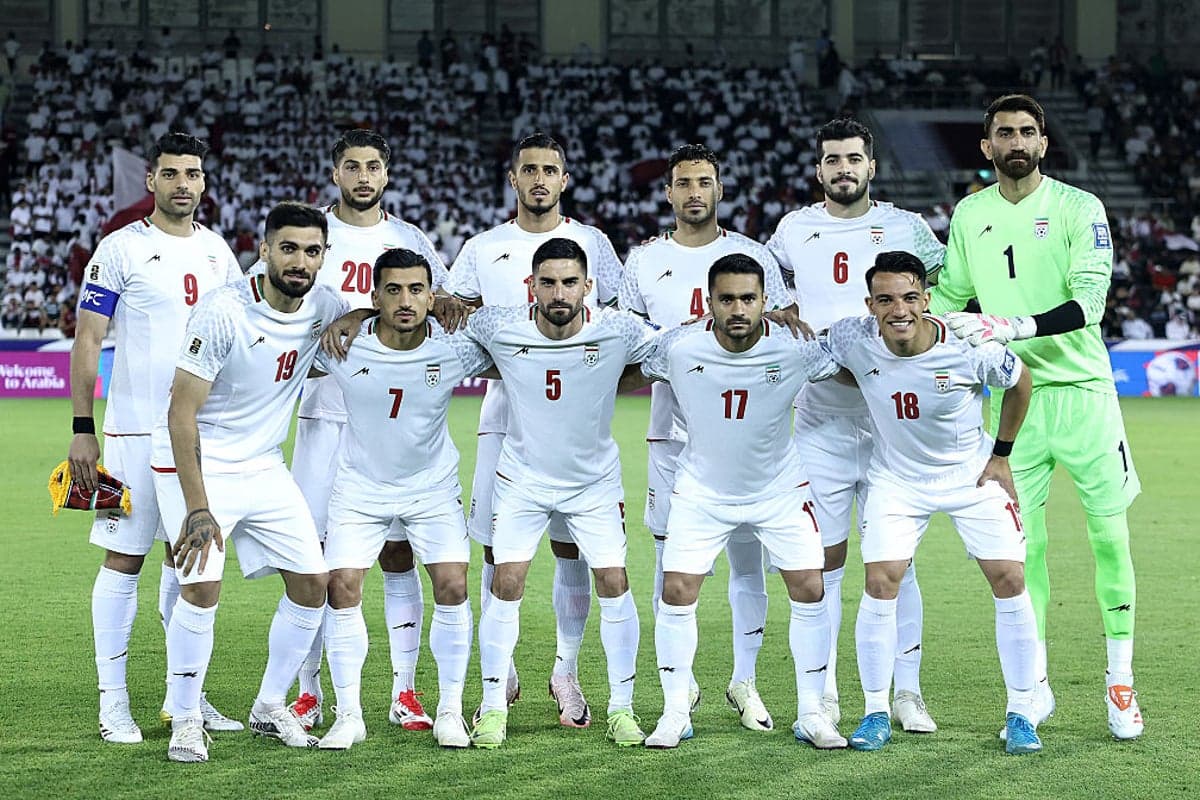
Source: static.independent.co.uk
A White House official confirmed Iranian players have received US visas just 10 days before their World Cup match. The team, which had to relocate training due to visa delays, will now compete in Group E against New Zealand, Belgium, and Egypt.
A Long-Drawn Visa Saga Nears Resolution
The 2026 FIFA World Cup co-hosted by the United States, Canada, and Mexico has become an unexpected stage for geopolitical drama, with Iran’s national football team caught in the crosshairs of international diplomacy. After months of uncertainty and relocated training camps, a White House official confirmed on Friday that the Iranian players have been granted visas to enter the United States, just 10 days before their opening match against New Zealand in Los Angeles. The announcement, first reported by The Independent, brings a sigh of relief to a team whose preparations have been overshadowed by political tensions between Tehran and Washington.
According to Iran International, the visa ordeal had been a “main concern” for Iran’s football federation for months. The team was originally scheduled to hold a pre-tournament camp in Tucson, Arizona, but had to relocate to Tijuana, Mexico, due to delays in U.S. visa processing. Mexican visas were secured earlier, allowing the delegation to enter that country, but the critical U.S. documents remained in limbo. Players like Seyed Hossein Hosseini and Ehsan Hajsafi were photographed outside the U.S. embassy in Ankara, Turkey, on May 21, undergoing visa procedures. The Independent’s report notes that the visas were finally approved on Friday, quelling fears that Iran might have to forfeit its matches or play without key personnel.
U.S. Officials Cite Security Concerns
The visa delays were not merely bureaucratic. U.S
Secretary of State Marco Rubio
had stated publicly that the country was determined to prevent individuals affiliated with Iran’s Islamic Revolutionary Guard Corps (IRGC) from entering the U.S. as part of the World Cup delegation. This stance, reported by Iran International, reflects the broader context of U.S.-Iran hostilities, including ongoing conflicts described by The Independent as “the Iran war.” The White House’s eventual approval suggests a delicate balancing act: maintaining security screenings while upholding the integrity of the world’s most-watched sporting event.
Group Stage Implications and Adjusted Preparations
Iran is drawn in Group E alongside New Zealand, Belgium, and Egypt. Their first match is scheduled for June 16 (per Iran International) or June 15 (per The Independent)—the slight discrepancy possibly due to time zones. Regardless, the late visa resolution has compressed their acclimatization period on U.S. soil. The team has been training in Antalya, Turkey, since May 18, where they defeated Gambia 3-1 in a friendly and were set to play Mali before traveling to Mexico. Missing their intended Tucson camp deprived them of valuable adjustment to the North American climate and facilities, potentially placing them at a competitive disadvantage compared to rivals like Belgium who have had uninterrupted preparations.
A Contrast with Other Participating Nations
While Iran’s visa saga dominated headlines, other teams faced smoother paths. Telecomasia.net reported on May 25 that DR Congo’s coaches and players had been approved for U.S. entry without similar drama. This contrast highlights how political relationships can influence a tournament that ideally remains apolitical. The DR Congo case underscores that for most participants, the visa process is routine, making Iran’s ordeal an outlier tied directly to the bilateral tensions
As the World Cup
expands to 48 teams, such geopolitical flashpoints may become more frequent, challenging FIFA’s ability to maintain a neutral playing field.
Looking Ahead: Football Amidst Diplomacy
The resolution of the visa issue ensures that Iran’s talented squad, featuring players like Hajsafi and Hosseini, will compete on the grand stage. However, the shadow of politics will linger. The White House’s approval does not erase the initial reluctance, and any incidents during the tournament—such as fan protests or diplomatic snubs—could reignite the debate. For now, the focus shifts back to the pitch, where Iran must quickly adapt to mount a challenge in a tough group. Their journey from Ankara to Tijuana to Los Angeles epitomizes the modern intersection of sport and global affairs, a reality that the 2026 World Cup is likely to reinforce.
Sources & Further Reading
- https://www.iranintl.com/en/202606026645
- https://www.telecomasia.net/news/football/dr-congo-coaches-and-players-approved-for-u-s-entry-ahead-of-2026-world-cup/
- https://www.nytimes.com/2026/05/23/world/africa/congo-soccer-ebola-world-cup.html
- https://www.independent.co.uk/sport/football/world-cup/iran-world-cup-visas-usa-b2990760.html