Haiti 2026 World Cup: Fans Excluded by Costs and Travel Ban
Source: s.yimg.com
Haiti's first World Cup in 52 years is overshadowed by high ticket prices and a US visa ban, leaving many fans unable to attend.
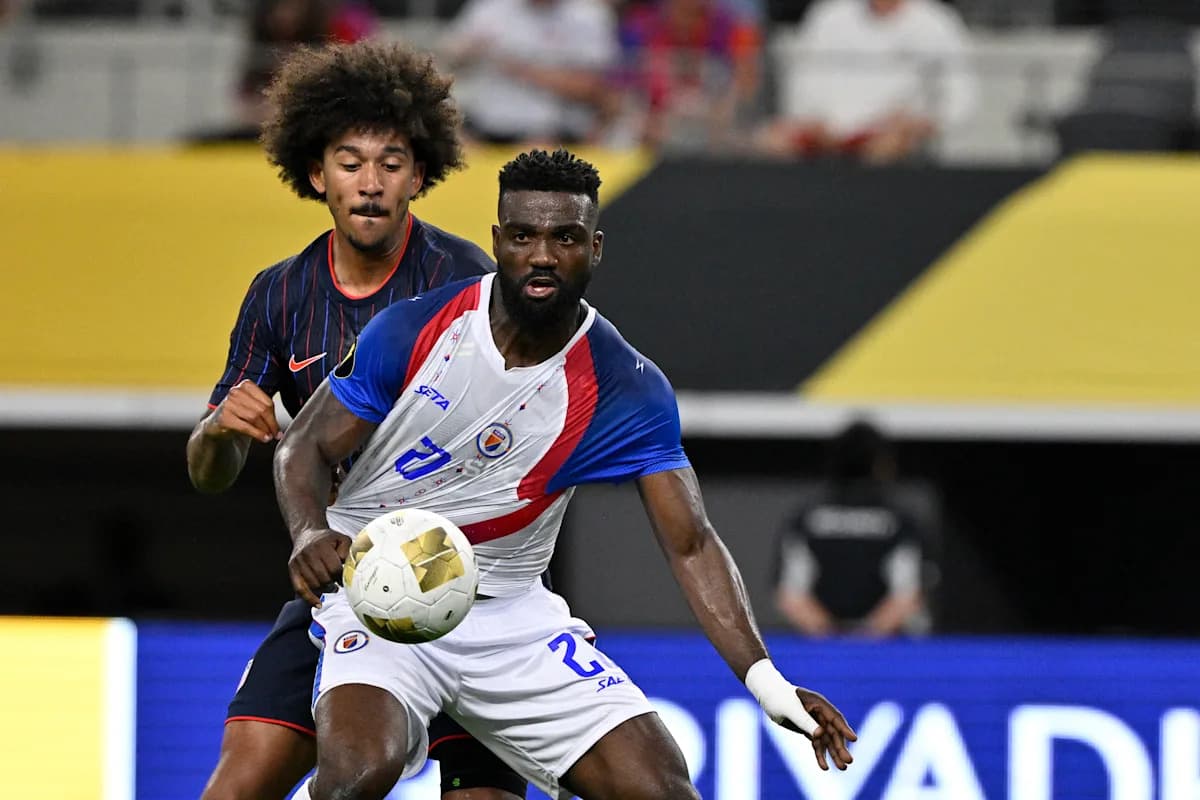
For the first time in 52 years, Haiti will grace the World Cup stage, igniting euphoria among its global diaspora. But as the tournament approaches, that joy is curdling into heartbreak. Instead of a celebration of resilience, the 2026 journey is mired in financial and logistical exclusion, with countless Haitian fans effectively shut out of their own team’s historic moment. From exorbitant ticket prices to a US travel ban, the barriers are stark, threatening to silence the very supporters who could lift the team in Foxborough.
Financial Hurdles: Ticket Prices Soar Beyond Reach
According to Al Jazeera, the secondary market has turned World Cup tickets into luxury items. Juan Pablo Jimenez, a 33-year-old Haitian-American, shelled out $1,500 for the Scotland match and $2,000 for the Brazil clash. For many, such sums are unthinkable. Johnny Paul, a 40-year-old fan, found the cheapest seat at $300, but for his family of four that means $1,200 just for entry—before travel or lodging. “I might have to watch from home,” he told Al Jazeera, a sentiment echoing across the community. Official FIFA sales have offered little relief; applications closed in April, and many believe the next first-come, first-served window will be a mirage, with tickets already hoovered up by sponsors and VIPs. The Haitian Football Federation, itself starved of allocations, was unable to help a supporters’ group secure tickets, leaving fans adrift.
Visa Ban Strands Fans in Haiti
Even if tickets were accessible, the US has effectively slammed the door on fans traveling from Haiti itself. As Al Jazeera reports, the US Embassy in Haiti has suspended routine visa services due to escalating violence and instability, making it near-impossible for Haitian nationals to secure appointments. Dany Briere, who leads a Haitian supporters’ group in Canada, confirmed that fans from the island are largely stranded. The travel ban transforms a joyful pilgrimage into a bitter farce: the team’s most passionate base, those who endured decades of near-misses, cannot witness the breakthrough in person.
Diaspora Dilemmas: Proximity Doesn’t Mean Access
Boston hosts the third-largest Haitian diaspora in the US, yet geographic closeness is deceiving. Many Haitian-Americans reside in Florida, New York, and New Jersey, and the trip to Foxborough involves its own expenses. For working-class families, the cumulative cost—tickets, transportation, accommodation—creates a wall of exclusion. Jimenez, who lives near Boston, represents a fortunate minority. The broader community is left grappling with a cruel irony: Haiti is finally here, but we are not.
The Sound of Silence: What It Means for the Team
The absence of a vocal Haitian contingent could have tangible consequences on the pitch. When Haiti faces Scotland on June 13, the Tartan Army is expected to travel in force, potentially turning the stadium into a de facto home game for the Scots. Later clashes with Brazil and Greece will likely see the stands dominated by neutrals or opponents’ fans. This imbalance may sap the emotional lift that underdog teams rely on. While no player has publicly commented, the psychological impact of a silent or hostile crowd is well-documented in tournament football. Without a sea of blue and red, Haiti risks losing an intangible edge.
AI Perspective: A Fractured Homecoming and the Road Ahead
The 2026 World Cup was supposed to be a unifying milestone for Haiti, but the current state of access exposes systemic failures. FIFA’s ticketing model, which prioritizes corporate interests over grassroots supporters, effectively prices out communities that have waited generations for this moment. The US travel ban—rooted in grave security concerns—adds a geopolitical dimension that no amount of fan determination can overcome. Looking ahead, the concrete implications are alarming. If Haiti’s group-stage matches unfold in a vacuum of visible support, the team may underperform, and players might feel abandoned by the very nation they represent. This could have a chilling effect on future qualification campaigns, as the emotional and financial disconnect between the squad and its base widens. Moreover, the situation sets a precedent for smaller nations: even when they earn a seat at the table, economic and political barriers may keep them from fully participating. For Haiti, the hope now rests on a last-minute surge of goodwill—perhaps through subsidized ticket programs or community fundraising—but that remains a fragile lifeline in a story otherwise marked by exclusion.
Sources & Further Reading
- https://www.telecomasia.net/blog/2026-fifa-world-cup-groups-tables-teams-analysis/
- https://www.telecomasia.net/news/football/brazil-coach-ancelotti-names-2026-world-cup-favorites/
- https://www.telecomasia.net/news/football/i-don-t-think-brazil-will-win-the-2026-world-cup-orenburg-player-jesus/
- https://sports.yahoo.com/articles/world-cup-2026-haiti-fans-114829024.html