Ghana World Cup 2026: Queiroz Defends Thomas Partey Selection Amid Rape Trial Controversy
Source: static.independent.co.uk
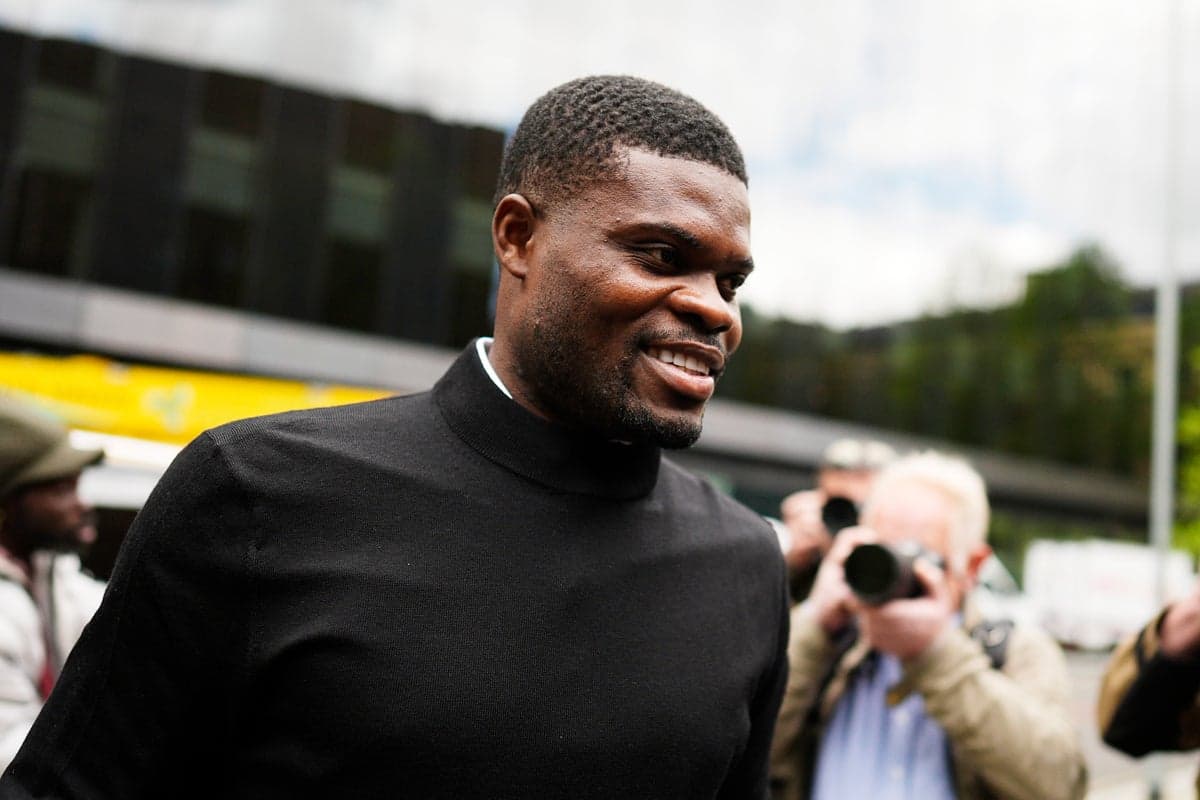
Ghana coach Carlos Queiroz defends including Thomas Partey in World Cup squad despite rape trial, citing presumption of innocence. Partey and Morocco's Hakimi both face charges, raising questions about sport and morality.
The Partey Controversy
Ghana's preparations for the 2026 FIFA World Cup are overshadowed by a storm that has little to do with football. Head coach Carlos Queiroz has staunchly defended his decision to include Thomas Partey in his 26-man squad, even as the former Arsenal midfielder awaits a trial in London on multiple charges of rape. Partey, who now plies his trade at Villarreal, has pleaded not guilty, but the court of public opinion is already in session. The controversy extends beyond Ghana—Morocco's Achraf Hakimi is in an analogous position, facing similar charges in Paris. As two of Africa's brightest stars prepare for the global stage under a legal cloud, the World Cup finds itself wrestling with uncomfortable questions about presumption of innocence, social media judgment, and the delicate balance between sport and morality.
The Coach's Defense: Presumption of Innocence and Social Media Critique
Queiroz, a veteran of five consecutive World Cups who previously led Portugal and Iran, addressed the topic head-on during a pre-tournament camp in Wales
According to The Independent and AP
News, he invoked the principle of presumed innocence, arguing that modern media and social networks rush to condemn before the legal process concludes. “Let events run its normal course, let the river flow and one day when the river meets the ocean we will find the truth,” Queiroz said, as quoted by AP, in a characteristically philosophical turn. He criticized the “quick judgement” that now defines online discourse, emphasizing that Partey’s inclusion is based on his professionalism and the squad’s needs. The coach’s stance is clear: until a verdict is reached, Partey remains eligible and—crucially—integral to Ghana's tactical plans.
A Broader Trend in Football
The Partey case is not isolated. Morocco’s Achraf Hakimi, a Paris Saint-Germain defender, is also awaiting trial on rape charges, creating an uncomfortable parallel between two African heavyweights. Both coaches have opted to select their players, forcing governing bodies and fans to confront the lack of uniform protocols for such situations. While clubs like Arsenal allowed Partey to continue playing during the investigation, the heightened scrutiny of a World Cup amplifies every decision. Queiroz’s defense may be legally sound, but it risks alienating segments of the public and placing Ghana’s entire campaign under a microscope.
Tactical Importance: Partey’s Anchor Role in Queiroz’s System
Beyond the courtroom drama, Partey’s on-field role makes Queiroz’s gamble understandable. An ESPN analysis of the Ghana squad underlines Queiroz’s long-standing footballing philosophy: suffocating defense, structural discipline, and a rejection of chaotic improvisation. The coach, a former right-hand man to Sir Alex Ferguson at Manchester United, famously declared, “The final product is to defend well, avoid goals.” Partey is the linchpin of that approach—a experienced midfielder whose ability to read danger, intercept passes, and shield the backline is unmatched in this Ghana side. In a squad that ESPN describes as “built for survival” rather than artistry, Partey provides the compression and stability that allow fleeting moments of flair from Iñaki Williams, Ernest Nuamah, and Antoine Semenyo.
The Irreplaceable Component
Queiroz’s system thrives on denying space, and without Partey’s defensive contributions, the entire structure could unravel. The forward line of Williams, Nuamah, and Semenyo offers pace and directness, but they require a solid midfield base to recover possession. This is where Partey’s read of the game and physicality become vital. Losing him to either legal distraction or poor form would force Queiroz into a tactical pivot for which this squad is ill-equipped. Reports from Telecomasia—which published Ghana’s final 26-man list—indicate that experienced duo Andre Ayew and Mohammed Kudus were omitted, stripping the team of further midfield leaders. The depth simply isn’t there.
Off-Field Clouds: Distractions and Team Morale
The World Cup bubble is notoriously fragile, and the presence of a player facing trial of this magnitude could fracture team unity or invite relentless media probing. Each press conference will likely be dominated by Partey questions, sapping focus from tactical preparation. The situation mirrors Morocco’s headache with Hakimi, raising the possibility that both nations could see their campaigns destabilized by off-field sagas. While teammates publicly back Partey, the psychological strain is undeniable. Queiroz must insulate his squad, but the 24/7 news cycle and social media outrage will test his famed man-management skills.
AI Perspective: World Cup Implications and Fallout
The concrete impact of this controversy will unfold over weeks. Ghana, drawn in a group likely featuring powerful opponents, cannot afford a distracted or absent midfield general. If Partey falters—whether due to the mental weight of the trial or a dip in form—Queiroz has few credible replacements. The omission of Ayew and Kudus leaves a leadership void, and none of the remaining midfielders possess Partey’s defensive acumen. A group-stage exit could well be traced back to this selection gamble. Meanwhile, Morocco faces a parallel test with Hakimi, and the performance of these two teams will be watched as much for courtroom developments as for goals. The 2026 tournament thus becomes a referendum on how football handles serious criminal allegations, with Queiroz and Partey at the storm’s center.
Sources & Further Reading
- https://www.greenwichtime.com/sports/article/ghana-coach-queiroz-explains-world-cup-selection-22287328.php
- http://www.espn.com/espn/story/_/id/48908368/ghana-boss-carlos-queiroz-tactical-vision-clear-does-squad-meet-it
- https://www.telecomasia.net/blog/ghana-announces-26-man-squad-for-2026-fifa-world-cup-as-andre-ayew-kudus-misses-out/
- https://www.independent.co.uk/sport/football/world-cup/thomas-partey-rape-trial-ghana-world-cup-2026-queiroz-b2987863.html