Egypt's 2026 World Cup Guide: Salah, Marmoush, and the Hunt for a Historic Win
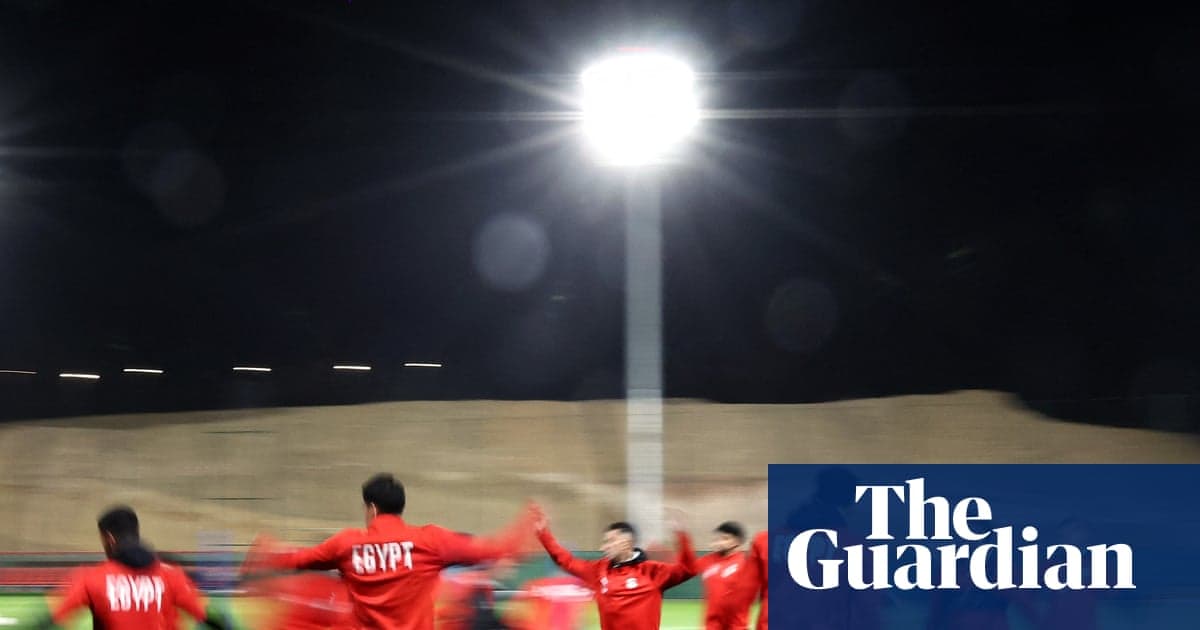
Source: i.guim.co.uk
Egypt heads to the 2026 World Cup unbeaten in qualifying, driven by Mohamed Salah. Key group stage clash vs Belgium on June 15. Coach Hassan's pragmatic 4-3-3 system and 18-year-old talent Hamza Abdel Karim add intrigue.
Egypt arrives at the 2026 World Cup carrying the heavy burden of history and the light, incandescent hope generated by its star talisman, Mohamed Salah. Having navigated an unbeaten qualifying campaign, the Pharaohs’ minimum ambition is brutally simple: secure a first-ever victory on football’s grandest stage. Yet, as they prepare for their opening clash against Belgium in Seattle on June 15, the team exists in a state of tension between a pragmatic, defensively solid system and the undeniable attacking firepower that suggests they could achieve much more.
The Squad and Tactical Setup
Coach Hossam Hassan has built a side that, according to the Guardian’s expert network, is defined by a “pragmatic more than romantic” shape. This muscle memory was forged in a qualification campaign that saw Egypt score 19 goals and concede only two, keeping seven clean sheets. The Guardian notes the foundational formation is a 4-3-3 that fluidly transforms into a 4-2-3-1 when chasing a game, with an occasional switch to a 3-5-2 against high-pressing opponents. This tactical flexibility will be crucial in a group stage that presents three distinct strategic challenges.
Star Power and Emerging Talent
The squad, announced by Hassan on May 30, is headlined by Liverpool’s Mohamed Salah and features Manchester City forward Omar Marmoush, who is expected to lead the attack, according to Reuters. Marmoush’s club form—eight goals in 36 appearances—will be vital in sharing the scoring burden. The spine of the team offers experience, with the Guardian identifying a goalkeeping battle between the veteran Mohamed El-Shenawy and the increasingly competitive Mostafa Shobeir, alongside central defenders Rami Rabia and a choice of Hossam Abdelmaguid or Yasser Ibrahim in the heart of defense.
The most intriguing narrative, however, is the inclusion of 18-year-old striker Hamza Abdel Karim. Reuters reports the rising talent is on loan from Egyptian giants Al Ahly to Barcelona Atletic, the reserve side of the La Liga champions. His call-up represents a bold injection of youth into an otherwise established setup and offers Hassan a potential wildcard option from the bench.
The Group G Challenge and Attacking Dilemma
Group G, as analyzed by TelecomAsia, presents a clear hierarchy: Belgium are the favorites, New Zealand the clear underdogs, and Egypt and Iran are poised for a direct battle for a knockout stage berth. The fixture list is favorable for Egypt, with a final group match against Iran on June 27 that could become a de facto playoff. However, the team’s recent tournament history reveals a critical flaw.
Restating the Attacking Philosophy
A semi-final defeat to Senegal at the 2025 Africa Cup of Nations exposed the limitations of the pragmatic approach. The Guardian’s assessment is damning: Egypt were “set up more to endure rather than to control.” This pattern of deep stretches without the ball and quick releases into Salah or Marmoush can be devastating in transition but renders the team predictable against elite defenses. For Egypt to defeat a Belgium side that TelecomAsia notes is “no longer the golden generation” but still ranked 9th in the world, Hassan must find a way for his team to seize control of possession and tempo in key moments rather than solely absorbing pressure. The ability of midfielders Marwan Attia and Hamdi Fathy to progress the ball consistently will be the determining factor between a historic group-stage exit and a deep run.
AI Perspective: The Path to a Historic Victory
Egypt’s tournament narrative hinges entirely on the reconciliation of their defensive identity with their attacking talent. The group-stage draw is not kind but is navigable; the primary obstacle to reaching the knockout stages is not just Belgium but the tactical timidity that has historically undone them. The AI-driven analysis suggests that Egypt’s best chance for a first World Cup win will come not against the group favorite, but against New Zealand on June 22. The All Whites, ranked 103rd by FIFA and simply hoping for a point, represent the perfect opponent against whom Hassan must unleash a proactive game plan. Failing to secure a comfortable victory in that match would place immense pressure on the final-day clash with Iran and risk repeating the containment strategy that faltered against Senegal.
The true key to unlocking Egypt’s potential lies in the dynamic between the established stars and the unpredictability of youth. While Oman Marmoush must start to stretch defenses, the late introduction of Hamza Abdel Karim against tiring legs—particularly Iran’s in a crucial third match—could provide the spark that defines their campaign. TelecomAsia frames the Iran match as the decisive battle for second place. To win that battle, Egypt cannot simply rely on the quick release to Salah; they must trust their technical midfielders to hold the ball and allow their attacking shape to transition from a 4-3-3 into a more entrenched 4-2-3-1 without losing defensive structure. The team that conceded only twice in nine qualifiers has the defensive base. If Coach Hassan empowers the same team to attack with conviction, Egypt will not only claim their historic win but could advance from Group G.
Sources & Further Reading
- https://www.skysports.com/football/news/12040/13543098/world-cup-2026-group-g-guide-fixtures-schedule-standings-and-odds-for-belgium-egypt-iran-and-new-zealand
- https://www.reuters.com/sports/soccer/salah-heads-egypt-world-cup-squad-teen-talent-abdel-karim-earns-call-up-2026-05-30/
- https://www.telecomasia.net/blog/fifa-world-cup-2026-group-g-teams-schedule-predictions/
- https://www.theguardian.com/football/2026/jun/04/egypt-world-cup-2026-team-guide