Atlanta World Cup 2026: $2,000 Tickets, Spain Matches, and Fan Fest Magic
Source: bsmedia.business-standard.com
Atlanta hosts eight World Cup matches including a semifinal. The city blends Olympic legacy with modern fan culture but faces criticism over high ticket costs making the event inaccessible for many locals.
Atlanta's Moment: From Olympic Legacy to World Cup Epicenter
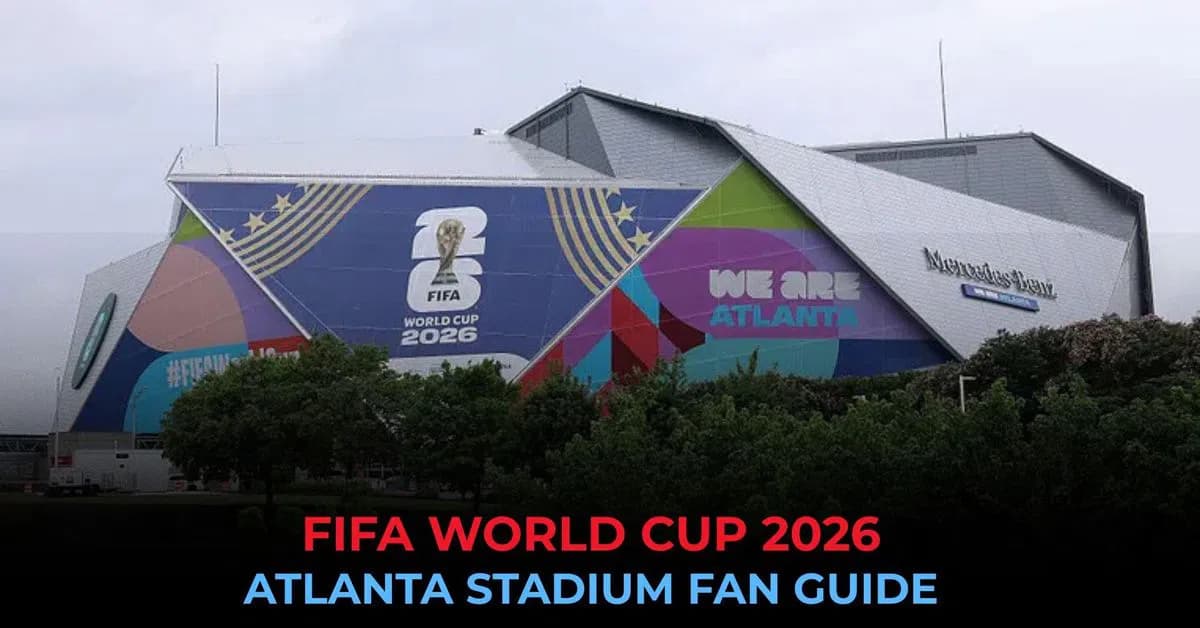
As the FIFA World Cup 2026 unfolds across North America, Atlanta is poised to become a crucial heartbeat of the tournament. The city is not just hosting matches; it is offering a complete, immersive experience that blends a historic sporting legacy with modern fan culture. With eight World Cup matches scheduled, including a semifinal, Atlanta’s Mercedes-Benz Stadium is set to be one of the busiest and most iconic venues of the competition. This is a city that understands mega-events, having hosted the 1996 Olympics, and is now leveraging that DNA to welcome the world for football’s greatest spectacle, promising what organizers call "matchday magic" for the hundreds of thousands of fans expected to descend on the city.
The Group Stage Tapestry: A Global Crossroads
The group stage matches awarded to Atlanta present a fascinating tapestry of global football, featuring a mix of established European powers and emerging nations from across the globe. This lineup guarantees a vibrant cultural exchange, both on the pitch and in the stands.
A Diverse Lineup of Nations
According to a detailed venue guide from the Business Standard, nations scheduled to feature in Atlanta during the group phase include Spain, Cape Verde, South Africa, Saudi Arabia, Morocco, Haiti, and Uzbekistan. This selection transforms the city into a microcosm of the tournament itself, where a European giant like Spain could share a matchday with the passionate supporters of a debutant or underdog story. The presence of Morocco, fresh off a historic semifinal run in 2022, and Saudi Arabia, a nation investing heavily in the sport, signals that Atlanta will witness both world-class pedigree and the thrilling unpredictability that defines the World Cup.
Urban Renaissance Meets Football Fervor
The area surrounding Mercedes-Benz Stadium is not a static backdrop but a key part of the fan experience. The Business Standard report highlights that the stadium sits at the center of a major urban redevelopment project, situated close to Centennial Olympic Park. This park, a physical reminder of Atlanta’s successful 1996 Games, creates a powerful symbolic link between the city’s past as an Olympic host and its present as a World Cup destination. For a fan with a match ticket, the journey goes beyond the turnstiles; it is an experience woven through a revitalized downtown landscape designed for celebration.
The Local Voice: Excitement Tempered by Economic Realities
While the official narrative promotes a unified celebration, a more nuanced picture emerges from the fans who call Atlanta home. The sentiment is not one of unbridled joy but a complex mix of anticipation and deep-seated wariness about the event's accessibility.
A Tournament "For the Rich"
In a series of fan dispatches from host cities, The Guardian captured a poignant local perspective from an Atlanta resident. The fan drew a stark contrast between this tournament and the 1994 World Cup, which had an "amazing impact" on them. The 2026 edition, they argue, "feels like an event for the rich now." The financial specifics are sobering: the fan estimated it would cost $2,000 for a family of four to attend a single group stage match. This price point makes the live experience unattainable for many locals, creating a scenario where, as the fan laments, watching on TV in Atlanta "might as well be on the other side of the world." This critique highlights a significant tension—the global commercialization of the event risks alienating the local population whose city provides the stage, even as FIFA brings the world to their doorstep. The anger towards "Fifa’s priorities" suggests that the matchday magic is not equally accessible to all.
The Broader Festival: American Dream’s 39-Day Fan Fest
While local affordability is a pain point in Atlanta, the wider tournament ecosystem is building large-scale, free-access celebrations to capture fan enthusiasm. A prime example is the Dream Fan Fest, a 39-day celebration detailed by Chain Store Age, occurring at the American Dream complex in East Rutherford, New Jersey, near the final's venue.
A Template for Fan Engagement
Though it’s not in Atlanta, this model illustrates the ambition of host regions to create destination events around the matches. The American Dream’s programming offers a potential blueprint for what fan zones might aspire to be. It will feature "marquee viewing experiences" centered at The Rink @ The Arena, with daily programming including live entertainment, celebrity appearances, brand activations, and youth soccer clinics. Crucially, admission is free on non-match days, directly addressing the financial barrier raised by The Guardian's Atlanta fan. This large-scale, free-to-enter fan festival demonstrates how host entities are trying to balance premium ticketed events with inclusive public celebrations, creating an atmosphere where the "matchday magic" can be felt by everyone, not just ticket holders.
AI Perspective: A Tale of Two Tournaments and Tactical Tests
An analytical look at Atlanta’s role reveals that the city will host a clash between football’s commercial future and its communal soul, while also staging matches with significant competitive implications. The tension between the premium-priced core event, as criticized by local fans in The Guardian, and the need for accessible public festivals like the one modeled by Chain Store Age, will define the city’s success as a host. From a purely sporting perspective, the group stage lineup promises fascinating tactical battles. Spain’s technically demanding style will be a stern test for any opponent. A Spain-Morocco fixture would be a fiery rematch of their 2022 Round of 16 clash, carrying immense geographical and historical weight. For teams like South Africa and Uzbekistan, matches in Atlanta represent a monumental stage to spring an upset and capture global attention. The city’s success will be measured not just by the matches won and lost, but by its ability to bridge the gap between a billion-dollar spectacle and a memorable, inclusive celebration for the fans who make the World Cup what it is.
Sources & Further Reading
- https://www.theguardian.com/football/2026/jun/02/world-cup-fans-16-host-cities-us-mexico-canada-fifa-ticket-prices
- https://chainstoreage.com/american-dream-details-39-day-fan-fest-preparation-world-cup
- https://www.aljazeera.com/sports/2026/6/4/world-cup-2026-what-are-the-key-dates-from-the-opening-match-to-the-final
- https://www.business-standard.com/sports/fifa-world-cup/inside-atlanta-s-fifa-world-cup-2026-matches-fans-and-matchday-magic-126060400569_1.html