2026 World Cup Scandals: Trump’s Maga Influence, Ticket Outrage, and 48-Team Chaos
Source: static.independent.co.uk
FIFA’s 2026 World Cup faces criticism over political bias, sky-high ticket prices, and a 48-team expansion that compromises quality and sustainability.
Months before World Cup 2026 kicked off, FIFA insiders already knew the planning wasn’t going “as expected”—a devastating understatement for a tournament dogged by political manipulation, eye-watering ticket costs, and an expansion that dilutes the sport’s very essence. As the first World Cup held across three nations and in the midst of a US-led war, this edition is shaping up to be remembered less for football and more for its unprecedented controversies.
Political Entanglements and FIFA’s Lost Neutrality
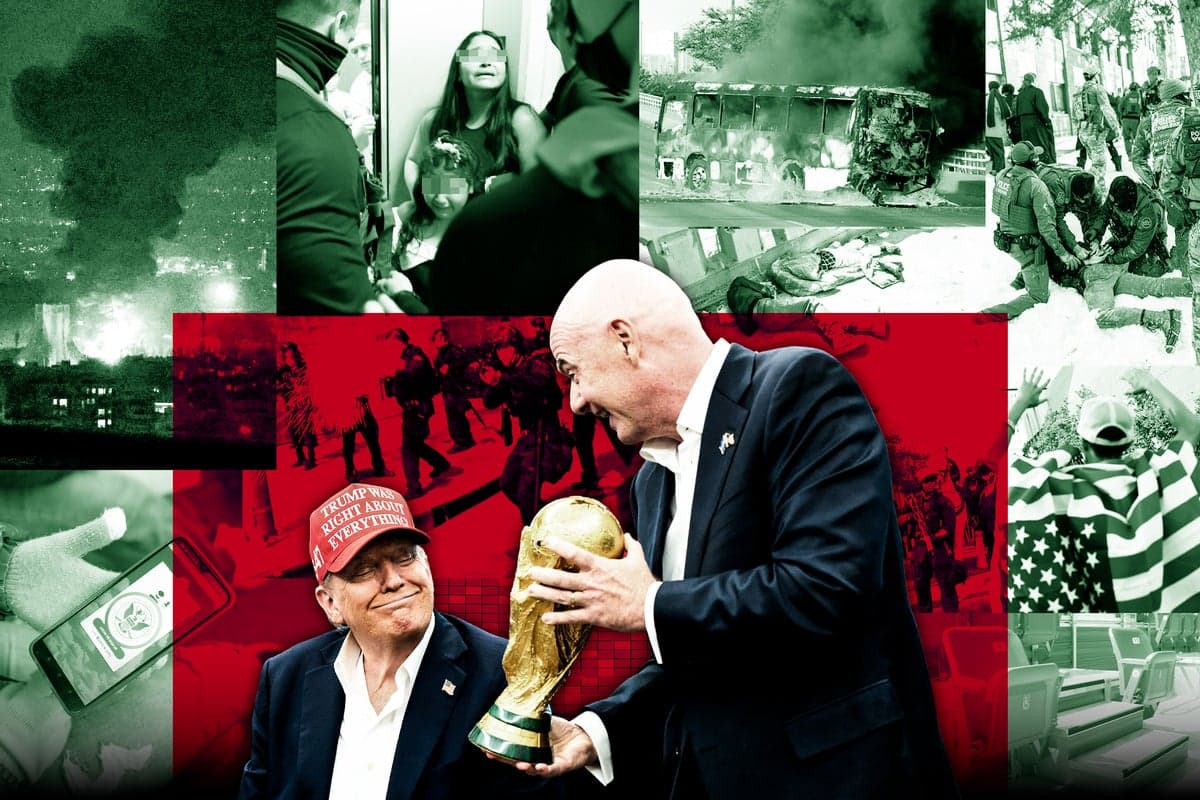
According to DW, FIFA President Gianni Infantino’s overtures to US President Donald Trump have shattered any pretense of the governing body’s political impartiality. Infantino appeared on stage in a red MAGA-style cap during Trump’s “Board of Peace” meeting, and went so far as to create a new “FIFA Peace Prize” specifically to award it to Trump during the World Cup draw. Miguel Delaney of The Independent condemns this as “Gianni Infantino selling football’s soul,” while Ann Killion of the San Francisco Chronicle frames the imagery as a tacit endorsement of Trump’s agenda, further alienating fans worldwide.
The situation is exacerbated by the fact that the United States is actively at war with Iran—a first for a World Cup host nation, as noted by DW. This raises serious questions about the safety and participation of the Iranian national team, as well as the comfort of their supporters. The source points out that FIFA’s statutes demand political neutrality, yet Infantino’s actions have deliberately intertwined international sports politics with the strategic interests of a single state. Killion reports a prevailing sense of “anger, apathy and absurdity,” sentiments fueled by what many see as a deeply politicized tournament.
Exorbitant Ticket Prices and Fan Alienation
If the political stain wasn’t enough, ordinary supporters are being priced out of the “most inclusive” World Cup. The San Francisco Chronicle highlights that a Canadian airline mocked the exorbitant ticket costs, promoting flights to the actual participating countries as cheaper alternatives. Miguel Delaney bluntly calls the ticketing a “rip-off,” and DW underscores that these excessive prices contradict the promised accessibility. For a tournament expanded to 48 teams and marketed as a global celebration, the financial barrier feels like a betrayal. The result is a fractured fan experience where only the wealthy—or well-connected—can attend multiple matches, undercutting the communal spirit that defines the World Cup.
The Flawed Expansion to 48 Teams
FIFA’s decision to bloat the tournament to 48 teams has met withering criticism on multiple fronts. DW points to the environmental toll, as more teams require more flights, more stadiums, and a larger carbon footprint across the three host nations. The quality of football is also in danger; more minnows could lead to lopsided scorelines and a diluted group stage, robbing the event of competitive tension. Ann Killion argues that this expansion prioritizes FIFA’s commercial greed over sporting integrity, undermining the very “greatest show on Earth” rhetoric Infantino constantly repeats.
Environmental and Logistical Nightmares
The tournament’s geographic sprawl—from Canada to Mexico to the United States—amplifies its sustainability crisis. DW reports that the travel demands buck any climate pledges FIFA might have made, with teams and fans crisscrossing a continent. Add to this US travel bans mentioned in the same source, which threaten to bar supporters from certain nations, and the logistical chaos ensures that the 2026 World Cup will likely be remembered as an environmental and ethical debacle rather than a footballing triumph.
The Bigger Picture
The convergence of these crises paints a dark portrait of modern football’s governance. A host nation at war, a governing body flouting its own rules to curry political favor, astronomical ticket prices, and a tournament format that undermines competition—all combine to tarnish the World Cup’s legacy. The Independent notes that senior FIFA figures saw the problems coming, yet nothing was done. For fans and players, the 2026 tournament risks becoming a symbol of everything wrong with the sport’s commercial and political trajectory. The Iranian team, should they compete, will do so under the shadow of a literal conflict with the host nation, while supporters from travel-banned countries could be shut out entirely. This is not the “greatest event” Infantino promised; it is a cautionary tale of power and profit eclipsing the beautiful game.
Sources & Further Reading
- https://www.dw.com/en/what-is-wrong-with-the-2026-world-cup/a-77402635
- https://www.sfchronicle.com/sports/annkillion/article/world-cup-united-states-22291378.php
- https://www.dw.com/en/world-cup-us-mexico-canada-ticket-prices-trump-ice/a-77402635
- https://www.independent.co.uk/sport/football/world-cup-2026-trump-infantino-fifa-iran-b2992262.html